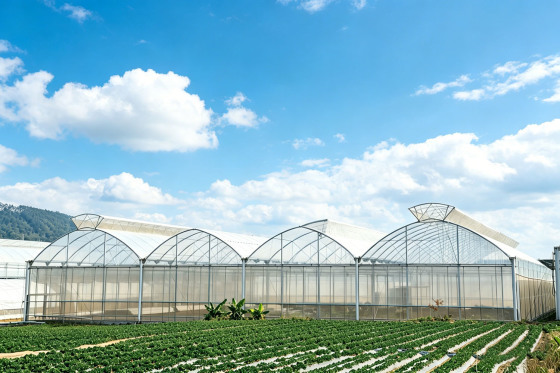
Is greenhouse farming a profitable investment for Kenyan farmers? With unpredictable rainfall, high production costs, and demand for quality vegetables, greenhouse farming offers high yields annually. However, success depends on more than owning a greenhouse. Understanding greenhouse farming profitability in Kenya, profitable crops, and how to maximize yield is essential for every farmer. This guide explores investment costs, expected returns, affordable structures, and practical strategies for starting a profitable greenhouse business.
Is Greenhouse Farming Profitable in Kenya?
Greenhouse farming is profitable when farmers combine good crop management with reliable markets. It allows you to protect crops from excessive rainfall, reduce certain pest pressures and produce vegetables outside traditional growing seasons. Tomatoes, capsicum and cucumbers are popular commercial options because they have established domestic markets.
According to KALRO, greenhouse tomato production is more profitable than open-field production. However, profitability is not guaranteed. A greenhouse without proper management is expensive, particularly when diseases spread.
An 8m × 30m greenhouse can generate gross tomato revenue of approximately KES 750,000 under its stated production and pricing assumptions. This is revenue, not guaranteed take-home profit.
Cost of Greenhouse Farming in Kenya
The cost of greenhouse farming in Kenya depends on the structure’s size, construction materials, irrigation equipment and installation requirements.
| Greenhouse size/type | Cost |
| 8m × 15 m wooden | KES 140,000–220,000 |
| 8m × 15 m metallic | KES 250,000–300,000 |
| 8m × 30 m wooden | KES 280,000–350,000 |
| 8m × 30 m metallic | KES 300,000–500,000 |
Additional startup and operating expenses
Remember that purchasing the greenhouse structure is only the beginning. You also need to budget for:
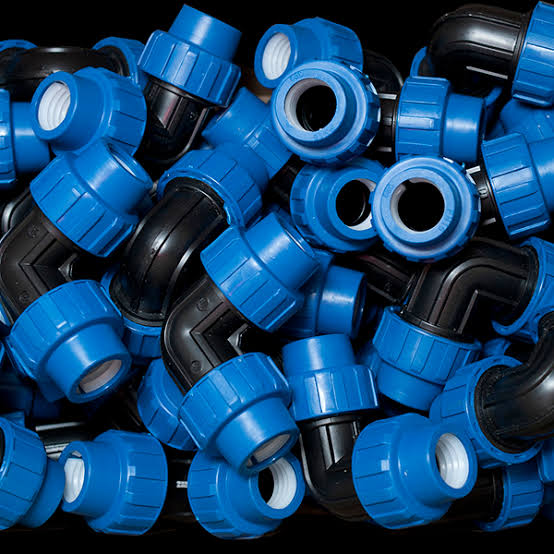
- Drip irrigation and water storage.
- Certified seeds or seedlings.
- Fertilisers, manure and pesticides.
- Soil preparation and testing.
- Labour, harvesting and packaging.
- Transport and equipment maintenance.
A sensible approach is to reserve working capital for at least the first production cycle. Avoid spending your entire budget on construction while leaving insufficient money for crop management.
Affordable Greenhouse Options for Beginners
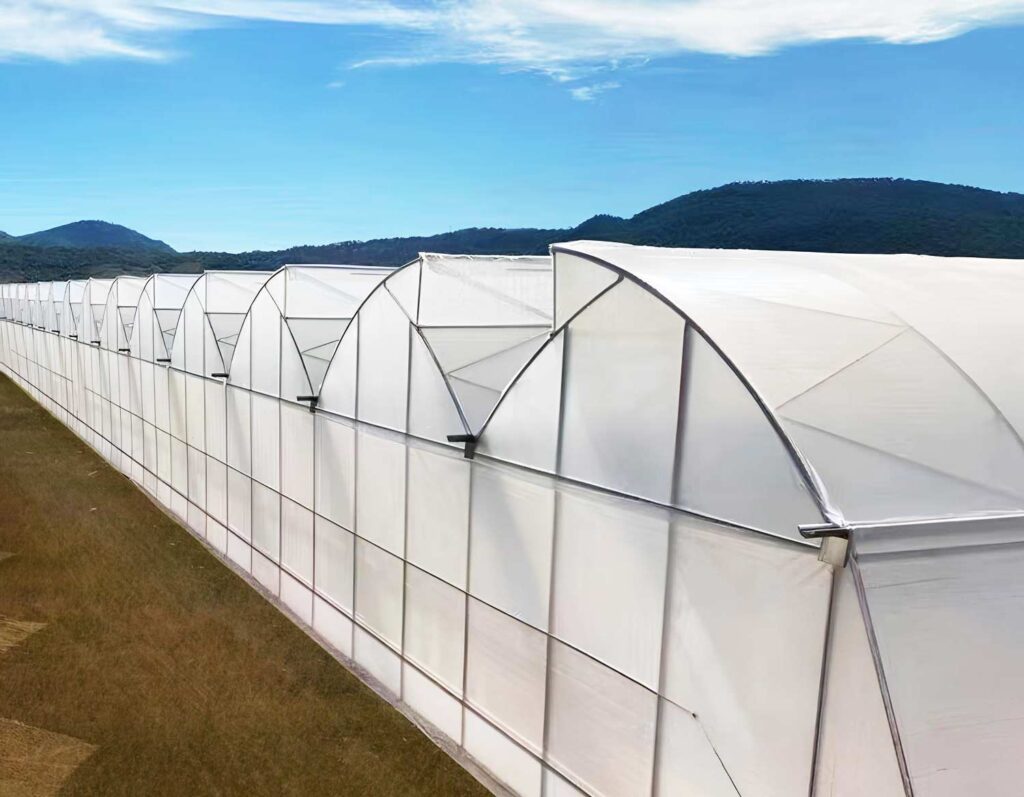
If you are starting with limited capital, consider a small wooden greenhouse measuring approximately 8m × 15m. It offers a manageable production area without requiring the investment associated with large commercial structures.
Wooden greenhouses generally have lower initial costs, although they require protection against termites, moisture and structural deterioration. Metallic greenhouses cost more initially but can offer better durability, particularly when constructed using quality galvanised steel.
Before purchasing, compare quotations from several suppliers and confirm whether installation, UV-treated polythene, insect nets, irrigation and training are included.
A smaller, well-equipped greenhouse is often a better investment than a large structure that you cannot afford to operate properly.
Crops with High Greenhouse Farming Profitability in Kenya
Choosing the right crop is one of the most important decisions affecting profitability. Consider the following options:
Tomatoes
Tomatoes remain a popular greenhouse crop because of their widespread consumption and established distribution channels. Hybrid varieties such as Anna F1 are commonly considered for commercial production. Staking, pruning, fertigation and disease monitoring help maintain quality and productivity.
Capsicum
Capsicum, especially coloured varieties, can attract attractive prices from supermarkets, hotels and specialised vegetable buyers. However, farmers should confirm demand before planting because premium prices depend on quality, variety and consistent supply.
Cucumbers, strawberries and herbs
Cucumbers offer relatively quick harvesting opportunities, while strawberries, basil, coriander and other speciality herbs can target niche markets. Their profitability depends heavily on local buyers, crop-specific technical skills and transport arrangements.
The best crop is not necessarily the one with the highest selling price. It is the one that delivers the strongest net margin after production and marketing expenses.
Greenhouse Farming Profitability Evaluation
To understand profitability, calculate your expected revenue and deduct every production expense.
Consider this example for a greenhouse producing tomatoes:
| Item | Amount |
| Harvested tomatoes | 4,000 kg |
| Average selling price | KES 60/kg |
| Gross revenue | KES 240,000 |
| Seeds, fertiliser and crop protection | KES 45,000 |
| Labour and water | KES 25,000 |
| Packaging and transport | KES 15,000 |
| Total operating costs | KES 85,000 |
| Operating Cost | KES 155,000 |
This example excludes depreciation, financing costs, land expenses and some overheads. Therefore, the operating surplus should not be mistaken for final net profit.
For accurate planning, calculate your break-even selling price and include greenhouse replacement costs. This prevents you from confusing a profitable-looking harvest with a genuinely sustainable business.
How to Maximize Greenhouse Farming Profitability
Increasing profitability requires controlling expenses while maintaining consistent production. The following strategies can make a significant difference.
Invest in drip irrigation and fertigation
Drip irrigation delivers water directly to plant roots, reducing wastage and improving moisture management. Fertigation allows you to supply nutrients through irrigation according to crop requirements. Monitor water quality and soil fertility regularly instead of applying fertiliser without a clear plan.
Practise integrated pest management
Common greenhouse pests include whiteflies, thrips, spider mites and Tuta absoluta. Inspect plants regularly, use insect-proof nets and sticky traps, maintain greenhouse hygiene and seek professional advice when infestations appear. Disease prevention is generally cheaper than losing an entire crop.
Improve market access and crop scheduling
Identify buyers before planting. Supermarkets, hotels, vegetable wholesalers and institutions can provide opportunities for regular sales. Stagger planting where practical to avoid harvesting everything during a market glut.
Best Greenhouses for High-Value Farming in Kenya
The best greenhouse depends on your budget, location, production goals and expected investment period.
- Wooden greenhouse: Suitable for beginners seeking lower initial construction costs.
- Galvanised metallic greenhouse: Suitable for commercial farmers prioritising durability.
- Multi-span greenhouse: Suitable for larger operations requiring coordinated production and potentially greater environmental control.
- Net house: A potentially cheaper option for crops that require insect protection but not the same level of weather protection as a fully covered greenhouse.
Compare the lifespan, ventilation, structural strength and replacement costs before making a decision. A durable structure with efficient irrigation can deliver better long-term value than the cheapest available installation.
Common Challenges and How to Avoid Losses
Greenhouse farming has risks that farmers should consider before investing. Disease build-up, inadequate ventilation, poor-quality seedlings and fluctuating produce prices can reduce returns substantially.
KALRO’s 2022 report documented that 48.6% of greenhouses in its study were abandoned. It also highlighted inadequate farmer training and poor greenhouse management practices. This is an important reminder that infrastructure alone does not create a profitable farming enterprise.
Protect your investment by:
- Attending practical greenhouse management training.
- Buying certified seeds and quality seedlings.
- Keeping accurate production and financial records.
- Maintaining good ventilation and sanitation.
- Testing soil and water before production.
- Establishing reliable buyers before harvesting.
Quick Takeaways
- Greenhouse farming in Kenya can generate attractive returns when properly managed.
- Small wooden greenhouses offer affordable entry points for beginners.
- Tomatoes, capsicum and cucumbers are popular commercial crops.
- Budget for irrigation, labour, fertiliser, packaging and transport.
- Calculate net profit rather than relying on projected gross revenue.
- Secure buyers before planting to reduce market-related losses.
- Training, pest management and accurate financial records improve long-term sustainability.
Frequently Asked Questions
1. Is greenhouse farming profitable in Kenya?
Yes. It can generate good returns through improved crop productivity, quality and market timing.
2. How much does a greenhouse cost in Kenya?
KES 160,000– 1,000,000, depending on size and type.
3. Which greenhouse is best for beginners?
An 8m × 15m wooden greenhouse.
4. Which crop is most profitable in a greenhouse?
Capsicum varieties attract high market prices.
5. How much can a greenhouse tomato farmer earn?
It depends on the greenhouse size, type of crop and market price.
6. How long does it take to recover greenhouse investment?
18 – 24 months.
7. Can I start greenhouse farming with KES 200,000?
Yes, you can do an 8 x 15m wooden greenhouse.
8. Does greenhouse farming require daily management?
Yes. Irrigation, ventilation, pest monitoring, pruning and crop inspection require regular attention.
9. How can farmers find greenhouse produce buyers in Kenya?
Approach vegetable wholesalers, supermarkets, hotels, restaurants, and online farmer groups.
10. Is greenhouse farming better than open-field farming?
Greenhouses generate high yield, but require high initial investment.
Leave a Reply