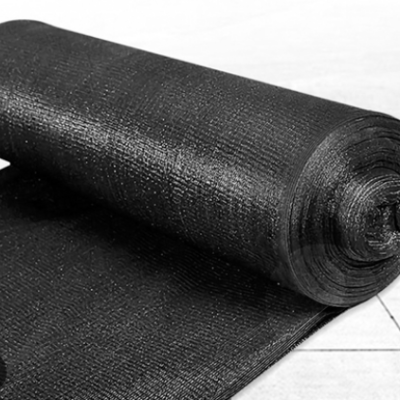
Shade nets in Kenya are in stock for sale at affordable prices at Faulu irrigation LTD. We customize shade nets according to your requested sizes. All shade net types; 35%, 55%, 75% and 90% sunlight levels sold from KES 14,000 – KES 37,000.
Get in touch with Faulu Irrigation for quality shade nets in Kenya. We are proud to help you get the right shade net that matches your crop growing requirements.
Call 0717120401
Quick Takeaways
- Shade nets reduce heat stress and water evaporation, improving crop performance.
- Shade nets are available in 35%, 55%, 75% to 90%.
- Most agricultural shade nets are made from Knitted UV resistant material.
- Shade nets cost between KES 13,000 and KES 37,000 depending on density and size.
- Used to protect crops such as lettuce, tomatoes, strawberries, herbs, and seedlings.
- Shade net installation should be done better to ensure durability of the net.
Why Shade Nets Are Important in Agriculture
Shade nets have become essential in modern farming because Kenya’s climate patterns are becoming increasingly unpredictable. Excessive sunlight, prolonged drought, and strong winds can reduce crop productivity and increase irrigation costs. Shade nets create a controlled microclimate that protects crops while maintaining optimal temperatures.
Types of Shade Nets in Kenya
Knitted Shade Nets
Knitted shade nets are the most popular in Kenya because they are flexible and resistant to tearing. They allow better airflow and withstand strong winds better than woven nets.
These are ideal for agricultural use including growing vegetables, seedlings, and flowers.
Woven Shade Nets
Woven shade nets are denser and provide stronger shading.
Are ideal for car parks, animal shelter and compound fencing.
Shade Net Specifications
Shade Percentage
The shading percentage indicates how much sunlight the shade net blocks.
| Shade Percentage | Best Use |
| 35% | Tomatoes, capsicum |
| 55% | Vegetables and herbs |
| 75% | Lettuce, strawberries |
| 90% | Nurseries and sensitive seedlings |
Standard Shade Net Sizes
Shade nets in Kenya are available in sizes of
- 4m × 50m rolls
- 3m × 50m rolls
Colors
Common colors include black and green shade net.
Shade Nets Prices in Kenya 2026
Shade net prices in Kenya vary depending on density, material quality, UV treatment, and supplier. Look at the table below
| Shade Net Type | Size | Shade Net Price |
| 35% Shade Net | 4m × 50m | KES 13,500 |
| 50% Shade Net | 4m × 50m | KES 18,500 |
| 75% Shade Net | 4m × 50m | KES 25,000 |
| 90% Shade Net | 4m × 50m | KES 35,500 |
Common Crops Grown Under Shade Nets
Tomatoes
Tomatoes are grown under 35% shade nets to reduce blossom drop and sunscald.
Capsicum
Shade nets improve fruit color and reduce heat stress during flowering.
Leafy Vegetables
Including lettuce, spinach, kales and broccoli.
The ideal shade net filtration level for vegetables is 55%
Strawberries
Strawberries require moderate shade to prevent fruit burning and excessive moisture loss.
Seedlings
Nursery seedling growers use 75 or 90% shade nets to harden seedlings before transplanting.
How to Use Shade Nets Properly
Using shade nets effectively requires proper crop matching and ventilation.
Maintain Airflow
Ensure adequate spacing between the net and crops to encourage airflow and reduce fungal diseases.
Monitor Humidity
High humidity under dense nets may encourage diseases if airflow is poor.
How to Install Shade Nets
Step 1: Prepare the Structure
Use:
- Treated timber poles
- Galvanized steel pipes
- Concrete anchors
Step 2: Fix Support Wires
Tension wires properly to prevent sagging.
Step 3: Attach the Shade Net
Use channel lock profiles and wiggle wires to hold the net onto the edges of the poles or metal structure.
Step 4: Ensure the net is tightly stretched
Loose nets flap during strong winds and tear faster.
Shade Net House Farming in Kenya
Shade houses are widely used in horticulture because they lower the evaporation rates.
Benefits include:
- Better pest management
- Reduced pesticide use
- Faster seedling growth
- Improved market quality
Unlike a greenhouse, a shade house is cheaper to construct and require less maintenance. This makes them attractive for small-scale farmers transitioning into commercial horticulture.
Water Conservation Benefits of Shade Nets
One of the biggest advantages of shade nets is reduced evapotranspiration.
Farmers in dry regions report:
- Lower irrigation frequency
- Better soil moisture retention
- Reduced water bills
Research from suppliers indicates water loss can reduce by up to 50% under quality shade nets. For farmers facing water shortages, this can dramatically improve farm sustainability.
Pest and Disease Control Under Shade Nets
While shade nets are not insect-proof alone, they reduce pest pressure when combined with insect nets.
Benefits include:
- Reduced whitefly attacks
- Lower aphid infestations
- Protection from birds
- Reduced physical crop damage
Challenges Farmers Face with Shade Nets
Wind Damage
Improperly installed nets can tear during strong winds.
Poor Quality Products
Cheap non-UV-treated nets deteriorate quickly.
Incorrect Shade Percentage
Using excessive shading can reduce crop growth and flowering.
Where to Buy Shade Nets in Kenya
Faulu Irrigation LTD. We have shade nets available in rolls of 4 x 50m with varying sunlight filtration levels of 35%, 55%, 75% and 90%.
Frequently Asked Questions (FAQs)
1. How much are shade nets in Kenya?
KES 14,000 – KES 37,000.
2. How long do UV-treated shade nets last?
5 – 6 years.
3. What are the different types of shade nets?
35%, 55%, 75% and 90% filtration levels.
4. How much does a 55% shade net cost in Kenya?
KES 19,000 – KES 21,000.
5. Which crops grow best under shade nets?
Tomato, capsicum, leafy greens, strawberry, herbs and seedlings.
6. How to choose shade net?
Consider the shade percentage, material and type of crop.
7. What material is used to make agricultural shade nets?
UV-stabilized High-Density Polyethylene fabric.
8. Where can I buy shade nets in Nairobi?
Faulu Irrigation LTD.
9. Are green shade nets better than black ones?
Green nets generally absorb less heat and may create cooler growing environments compared to black nets in hot climates.
10. How to attach shade netting?
You can use wooden poles or metal structure with wires to hold the net.
Leave a Reply