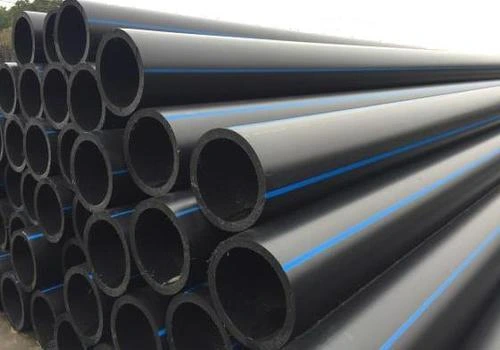
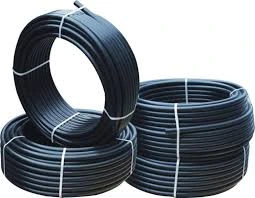
HDPE Pipes in Kenya are designed for high performance in clean water transfer, irrigation and industrial uses. At Faulu Irrigation LTD, we have UV treated quality HDPE pipes available in PN6 – PN25 and diameter sizes of 20mm – 110mm. Our HDPE Pipes range from KES 1,800 – KES 48,000 per 100m roll.
If you need high quality HDPE Pipes, reach out to Faulu Irrigation LTD.
Call 0717120401
Quick Takeaways
- HDPE Pipes in Kenya are widely used for irrigation, borehole and municipal water supply.
- PN ratings determine pipe pressure capacity.
- HDPE PE 100 pipes offer better durability and efficiency.
- HDPE compression fittings are used to connect HDPE Pipes. Ensures a secure waterproof connection.
- HDPE Pipe Prices vary based on Pipe diameter, length and Pressure Nominal (PN) rating.
- When buying HDPE pipes, quality is non-negotiable. Consider reputable supplier with UV treated HDPE pipes.
- HDPE pipes are highly durable and more reliable than PVC or other pipes.
- You can Buy HDPE Pipes from Faulu Irrigation LTD.
What Are HDPE Pipes?
High Density Polyethylene (HDPE) pipes are designed to carry clean water, chemicals, wastewater and gas. They are highly durable and can withstand high pressure and corrosion.
Specifications of HDPE Pipes in Kenya
HDPE pipes in Kenya are classified by:
Pipe Diameter
Common sizes include:
- 16mm
- 20mm
- 25mm
- 32mm
- 40mm
- 50mm
- 63mm
- 75mm
- 90mm
- 110mm
Pressure Rating (PN)
Pressure rating determines how much pressure the pipe can handle.
|
Class |
Usage |
|
PN6 |
Low-pressure irrigation |
|
PN8 |
Medium irrigation systems |
|
PN10 |
Domestic water supply |
|
PN12.5 |
Commercial systems |
|
PN16 |
Boreholes and pumping |
|
PN20 |
Industrial/high-pressure use |
|
PN25 |
Industrial/high-pressure use |
Material Grade
Most premium pipes today use PE100 resin, which offers improved durability and thinner walls without compromising strength.
HDPE Pipes Prices in Kenya
Cost of HDPE Pipes vary depending on the pipe diameter, pressure rating and length. Our prices are as follows.
|
Size |
Estimated Price |
|
20mm PN6 |
KES 60–90 per meter |
|
25mm PN10 |
KES 90–150 per meter |
|
32mm PN12.5 |
KES 160–250 per meter |
|
40mm PN16 |
KES 300–450 per meter |
|
50mm PN16 |
KES 450–600 per meter |
|
63mm PN16 |
KES 650–950 per meter |
HDPE Pipe Fittings
Common HDPE fittings include:
- Couplings
- Elbows
- Tees
- Reducers
- End caps
- Flange adapters
- Ball valves
How to Connect HDPE Pipes
HDPE pipes are connected by the methods explained below:
Compression Fittings
HDPE threaded fittings are common for small diameter HDPE pipe connections. Compression fittings include tee, elbow, couplings, adapters and end caps.
Commonly works best for irrigation systems and water supply connections.
Butt Fusion Welding
Thermofusion technique for joining HDPE pipes. Two HDPE Pipe ends are aligned in contact, heated till molten and cooled to form joint. Used for connection of large diameter HDPE pipes in community water projects or industrial pipe connection.
Electrofusion
Electrofusion uses electric current to heat and melt the pipe ends resulting to permanent and leak-free joint. Ideal for connection of HDPE pipes in narrow spaces where butt fusion cannot work or when connecting to valves or fittings.
What to Consider When Buying HDPE Pipes
Pressure Rating
The pressure nominal of the pipe you need should match the water pressure.
Pipe Thickness
Pipe thickness determines the pressure it can handle.
UV Resistance
UV resistance enhances durability of HDPE pipes.
Supplier Reputation
Work with established suppliers offering warranties and technical support.
HDPE Pipes vs PVC Pipes
Feature |
HDPE | PVC |
|
Flexibility |
High |
Low |
|
Corrosion Resistance |
Excellent |
Good |
Lifespan | 50+ years | 20–30 years |
|
Installation | Easier underground | More rigid |
|
Leak Resistance |
Excellent |
Moderate |
HDPE performs better in unstable soils and long-distance underground projects.
Benefits of HDPE Pipes
1. Long Lifespan
Quality HDPE pipes can last over 50 years when properly installed.
2. Corrosion Resistance
Unlike galvanized steel pipes, HDPE pipes do not rust or corrode. This makes them ideal for drinking water supply, wastewater handling, chemical or gas transportation.
3. Leak-Free Connections
HDPE fittings create watertight seals without glue. Fusion welding further minimizes leakage risk.
4. Flexibility
HDPE pipes are highly flexible thus ideal for connections on paths with objects or corners. Packing and transport is also easier and convenient.
5. Wide range of Use
Used in a wide range of applications including water supply, irrigation and industrial uses.
Common Uses of HDPE Pipes
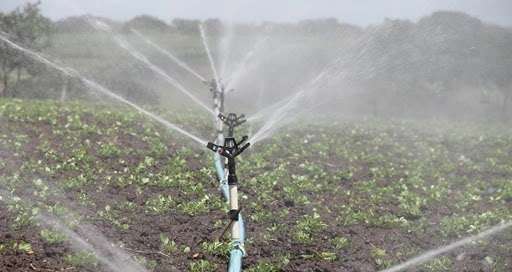
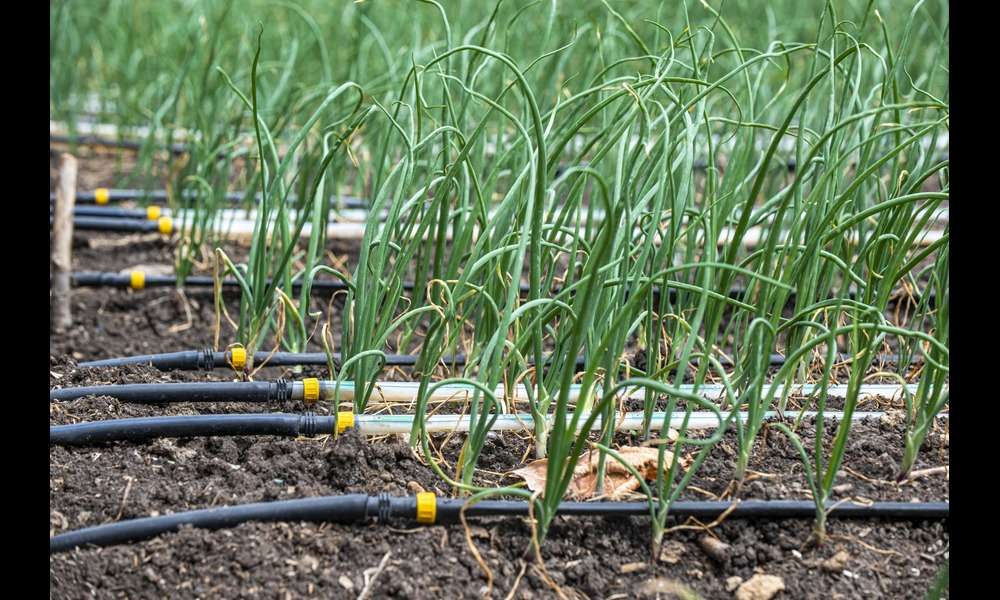
- Agricultural Irrigation – for mains water supply in drip irrigation, sprinkler or rain hose irrigation systems.
- Suction pipes – can be used as suction pipes when pumping water from rivers, or water pans.
- Delivery pipes – in pumping connections
- Municipal Water Supply – to distribute water in clean municipal water supply.
- Industrial Applications – wastewater handling, chemical transfer and gas supply.
- Telecommunications – used as conduits for electric or communication cable protection.
Where to Buy HDPE Pipes in Kenya
Faulu Irrigation LTD.
Frequently Asked Questions
1. How much do HDPE Pipes cost in Kenya?
It depends on pipe gauge. KES 1,800 – KES 48,000 for 100m HDPE pipe roll.
2. Are HDPE pipes better than PVC?
Yes. HDPE pipes are more flexible, durable, and resistant to cracking.
3. How long do HDPE pipes last?
Over 50 years.
4. Which HDPE pipe sizes are common in Kenya?
Common sizes include 20mm, 25mm, 32mm, 40mm, 50mm, 63mm, 75mm, 90mm and 110mm.
5. How Long is HDPE Pipe?
100m for sizes up to 110mm. Other large diameter pipes are short in length.
6. What does PN16 mean in HDPE pipes?
It indicates the pipe can handle 16 bars of pressure.
7. Are HDPE pipes safe for drinking water?
Yes, HDPE pipes are ideal for clean water transfer.
8. How are HDPE pipes connected?
They are connected using compression fittings, butt fusion, or electrofusion.
9. Why are some HDPE pipes more expensive?
Material quality, SDR rating, certification, and wall thickness affect pricing.
10. Where can I buy HDPE pipes in Kenya?
Faulu Irrigation LTD.
Leave a Reply