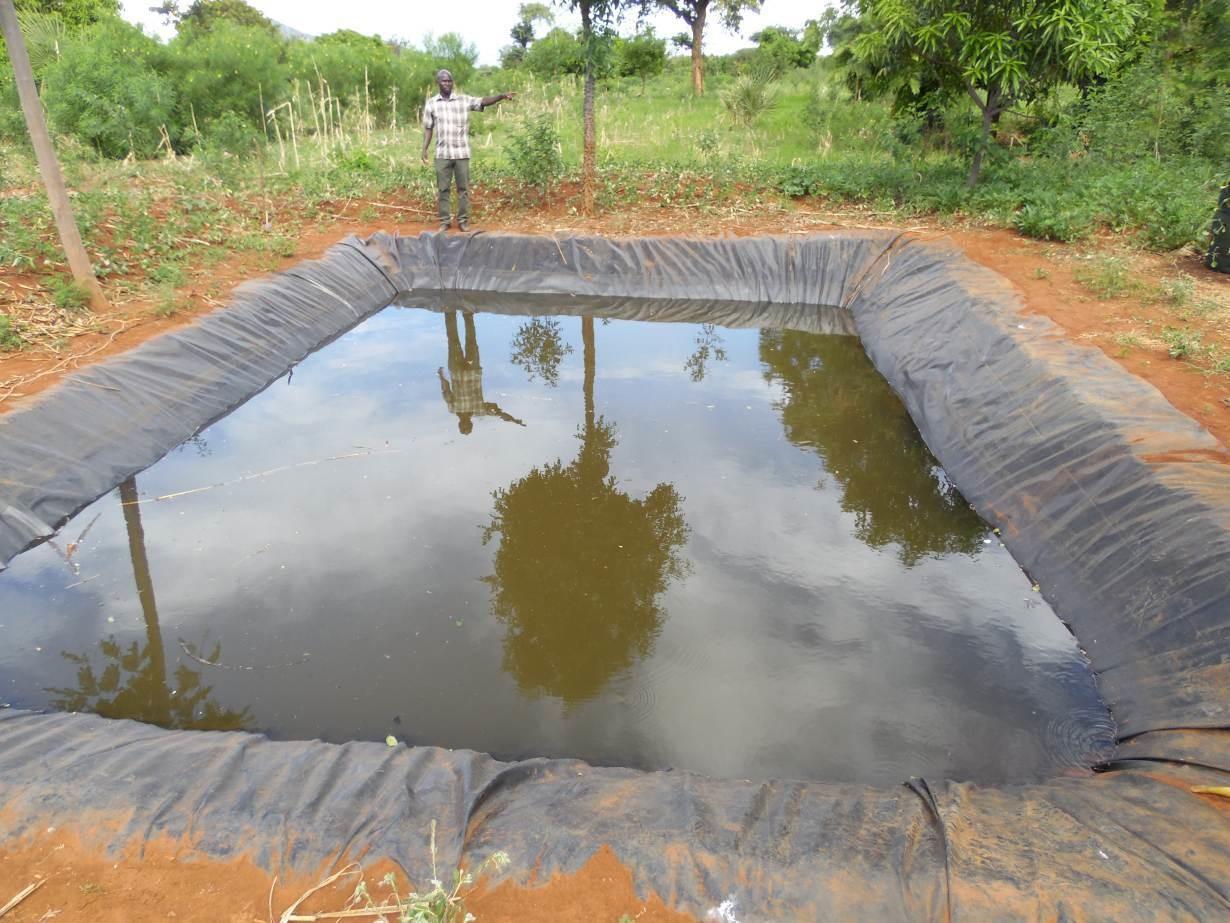
According to the National Irrigation Authority, only 15% of the 1.3 million hectares of irrigable land is under irrigation. This leaves a huge potential with over 700,000 hectares of land unutilized. Around 83% of land is under rainfed agriculture; thus, many farmers are limited in production. Dam liners for agriculture can help maximize irrigation potential by storing rainwater for farming during dry seasons. Discover the best dam liners for agriculture, costs, and a selection guide with support from Faulu Irrigation LTD.
Dam Liners for Agriculture in Kenya
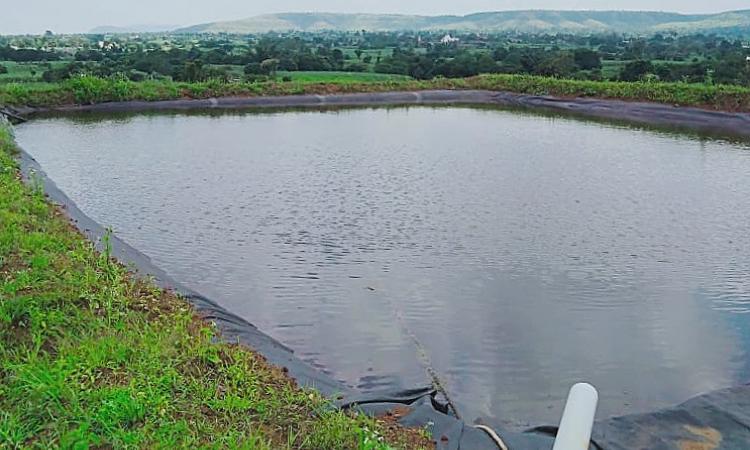
Dam Liners are used in agriculture to collect and retain water to sustain irrigation. Farmers rely on small dams waterproofed with dam liners for reliable farming when rain fails.
The dam liners are also important for livestock water supply and fish farming.
Most dam liners are manufactured from High-Density Polyethylene (HDPE), a strong plastic material designed for outdoor water containment. Quality HDPE liners offer resistance to ultraviolet radiation, moisture and environmental exposure. They are particularly useful in areas with sandy, porous or unstable soils.
Cost of Dam Liners for Agriculture in Kenya
| Thickness | Price Per Square Meter |
| 0.3mm | KES 190 |
| 0.5mm | KES 230 |
| 0.75mm | KES 330 |
| 1.0mm | KES 430 |
Call 0717120401
Other costs to consider include:
- Excavation and ground preparation.
- Geotextile protective underlay, where required.
- Heat welding and joining materials.
- Transportation to your farm.
- Installation and anchoring.
- Outlet fittings and drainage arrangements.
For example, a project requiring 500 m² of 0.75mm liner would cost KES 165,000 at KES 330/m², excluding additional work.
Types of Dam Liners Used for Agriculture in Kenya
Different agricultural projects require different liner specifications. HDPE dam liner is a popular choice because of its strength, waterproofing performance, and suitability for exposed reservoirs. Its available thicknesses allow farmers to select materials according to project size, ground conditions, and budget.
Other geomembrane materials, including PVC and LLDPE, may also be used for particular applications. However, their flexibility, chemical compatibility, installation requirements, and expected service life differ.
When comparing products, consider:
- HDPE: A widely used option for agricultural reservoirs and water pans.
- PVC: A flexible material suitable for certain smaller pond applications.
- LLDPE: Offers greater flexibility and can accommodate some ground movement.
Choosing the Best Dam Liner for Agricultural Needs
Choosing the best dam liners for agriculture needs requires more than selecting the cheapest available product. The right liner should match your reservoir dimensions, soil conditions, exposure to sunlight and expected water-storage demands.
Thickness is an important consideration. Common options include 0.3mm, 0.5mm, 0.75mm and 1.0mm. Thicker materials generally offer greater resistance to physical damage, although installation quality and the underlying ground preparation remain equally important.
Before purchasing dam liners, consider:
- UV resistance: Essential for reservoirs exposed to direct sunlight.
- Thickness: Choose according to project demands and ground conditions.
- Tensile strength: Helps the material withstand handling and installation stresses.
- Puncture resistance: Important where the excavation contains rough surfaces.
- Material consistency: Look for reliable product specifications and supplier documentation.
Choosing Dam Liners for Different Agricultural Projects
Not every farm needs the same liner. Your project-specific dam liner needs should determine the thickness, dimensions, and installation approach.
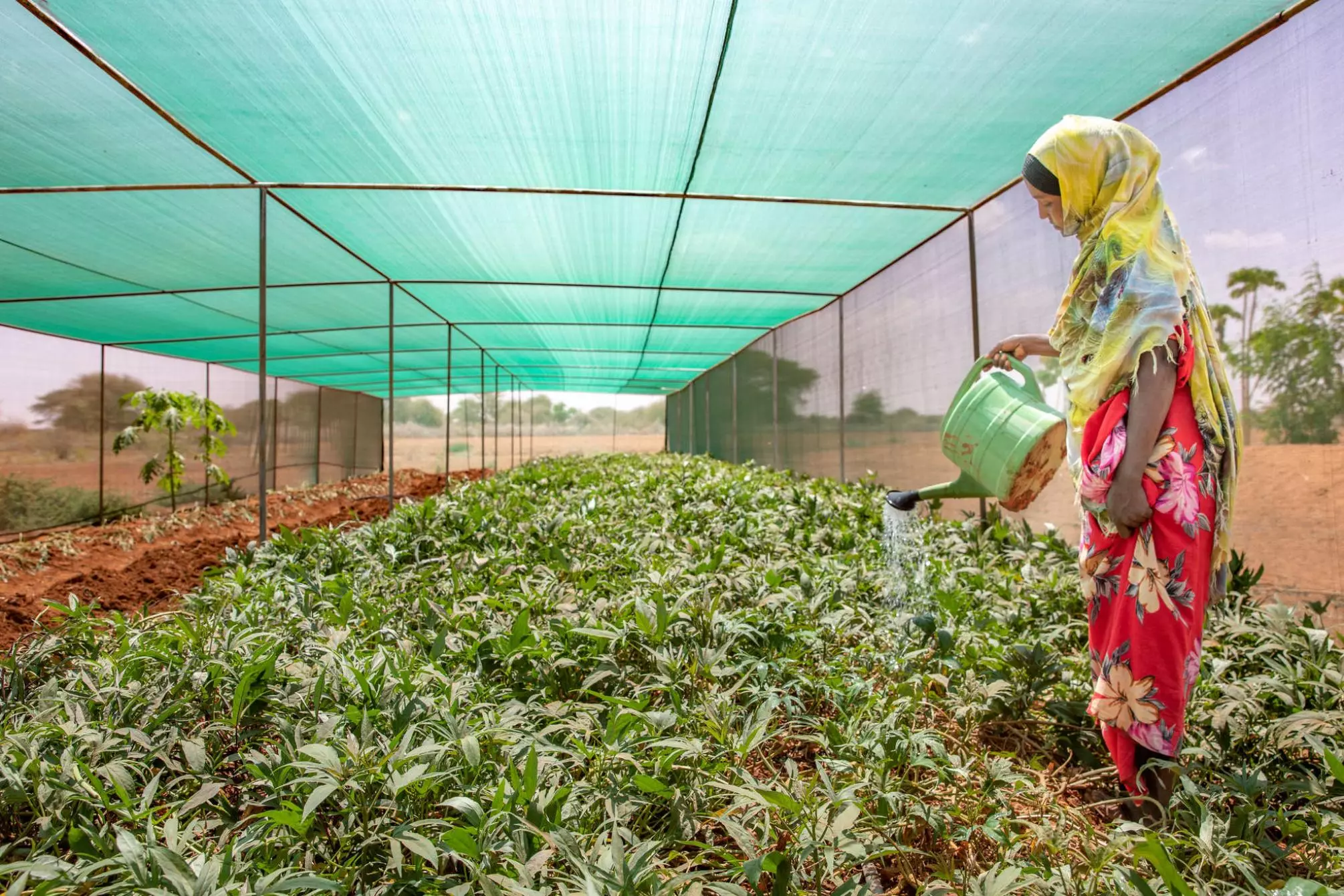
- Irrigation dams: Farms growing vegetables, fruits, and cereals need dependable water storage. A suitably specified HDPE liner helps retain harvested water for scheduled irrigation.
- Fishponds: Fish farmers need liners compatible with aquatic applications. You need a safe material
- Livestock water pans: require a reliable lining that can withstand regular water use and exposure to outdoor conditions. HDPE liners are recommended.
Steps for Buying and Installing Dam Liners
- Assess your project: Establish the required water capacity, intended use, and soil conditions.
- Measure the reservoir: floor dimensions, depth, and side slopes. Include sufficient material for anchoring and overlaps.
- Prepare the excavation: Remove roots, stones, and sharp objects. Compact and smooth the surface.
- Install protective underlay: Use a suitable geotextile where ground conditions require additional puncture protection.
- Position the liner: Carefully unroll the membrane without dragging it across rough surfaces.
- Join the sheets: Use an appropriate welding method and inspect seams for defects.
- Anchor the edges: Secure the liner in perimeter anchor trenches according to the installation design.
- Inspect and fill: Check the installation before gradually introducing water.
Benefits of Dam Liners in Agriculture
- Improved water storage: Rainwater collection creates sufficient water for irrigation.
- Water conservation: Reduces losses through permeable soil.
- Improved productivity: Helps maintain irrigation availability during dry spells.
- Better resource management: Makes harvested rainwater more useful.
- Versatile applications: Supports crop farming, aquaculture, and livestock operations.
- Reduced maintenance: Properly installed liners can reduce recurring seepage problems.
- Long-term value: A suitable liner can serve for many years when maintained correctly.
Why Choose Faulu Irrigation LTD?
Faulu Irrigation LTD supplies agricultural dam liners in Kenya, with options designed for different water-storage requirements. Our dam liner sizes include 0.3mm, 0.5mm, 0.75mm, and 1.0mm HDPE liners. Standard rolls are 8m by 100m, with customized sizes also available.
Call 0717120401
Before placing your order, share:
- Your reservoir measurements.
- The intended water-storage application.
- Your preferred liner thickness.
- Your farm location.
- Whether you require installation assistance.
Quick Takeaways: What Every Farmer Should Know
Before purchasing dam liners for agriculture, remember these important points:
- Choose the right thickness: Common options range from 0.3mm to 1.0mm, depending on your project.
- Prioritize HDPE quality: Look for UV resistance, strength, and reliable material specifications.
- Prepare your reservoir properly: Remove sharp stones and roots before installation.
- Calculate your requirements: Include side slopes, overlaps, and anchoring allowances when estimating liner dimensions.
- Consider the full project cost: Budget for material, welding, transport, and installation.
- Protect your investment: Inspect seams, maintain drainage arrangements, and prevent physical damage.
- Choose a reliable supplier: Contact Faulu Irrigation LTD for dam liner needs and project-specific guidance.
Frequently Asked Questions
1. Which dam liner is best for agriculture in Kenya?
HDPE dam liners.
2. How much do dam liners cost in Kenya?
KES 190 to KES 430 per square metre.
3. Is a 0.5mm dam liner suitable for farming?
It is best for small reservoirs with smooth soil.
4. How long do HDPE dam liners last?
25 – 50 years.
5. How do I calculate the size of a dam liner?
Measure the reservoir length, width and depth. Add material for both side slopes, overlaps and anchoring.
6. Can dam liners be used for fish farming?
Yes. HDPE liners are recommended for fishponds.
7. What should I put underneath a dam liner?
Sand or a geotextile underlay.
8. Can dam liners withstand direct sunlight?
UV-stabilized HDPE liners are designed for outdoor exposure.
9. Can a damaged dam liner be repaired?
Yes. Small punctures and damaged seams can often be repaired using compatible materials and suitable welding techniques.
10. Where can I buy quality dam liners in Kenya?
Faulu Irrigation LTD.
Leave a Reply