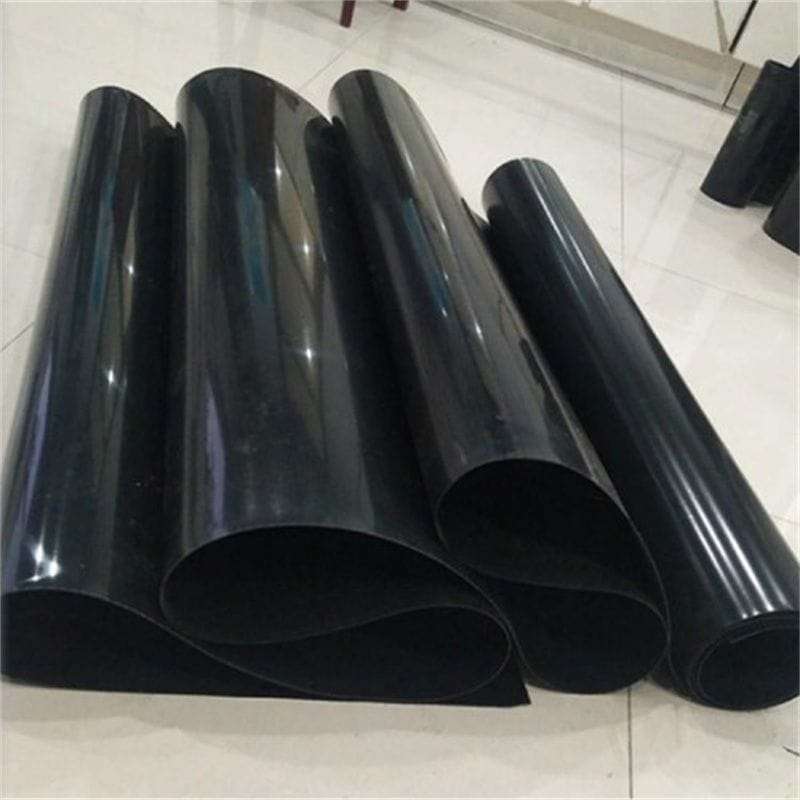
Dam Lining in Kenya helps secure water for irrigation, animal use, or domestic water needs. Dam Liners are also ideal for handling sewage waste, mining and construction needs. Buy Quality Dam Liners in Kenya from Faulu Irrigation LTD. We stock 0.3 mm, 0.5mm, 0.75mm and 1 mm dam liners at KES 210 – KES 450 per square meter.
Call 0717120401
Quick Takeaways
- Dam liners prevents water loss caused by seepage.
- HDPE liners are the most preferred dam lining materials in Kenya.
- Dam liners are KES 210–450 per square meter depending on thickness.
- Water pans liners can remain in good condition for 15– 50 years with proper care.
- Choosing the correct liner gauge depends on dam size, soil type, and intended use.
- Dam liners supports irrigation, fish farming, livestock watering, and domestic water storage.
- Buy Quality Dam Liners from Faulu Irrigation LTD.
Cost of Dam Liners per Square meter
Dam liners are priced in accordance with the material gauge. Common dam liner gauges cost the following prices per square meter.
| Dam Liner Gauge(thickness) | Cost Per Square Meter |
| 0.3 mm | KES 210 |
| 0.5 mm | KES 250 |
| 0.75 mm | KES 340 |
| 1.0 mm | KES 430 |
The Need for Water Pan | Dam Lining in Kenya
Access to clean water remains a challenge to many regions in Kenya. Rainfall is highly unreliable and thus irrigation has become essential. Farmers who rely on seasonal rains often face reduced yields and financial losses.
Dam lining provides a practical solution by enabling efficient rainwater harvesting and storage. Instead of allowing collected water to seep into the ground, lined reservoirs retain water for months. This ensures farmers have a reliable source for irrigation even during drought periods.
How Dam Liners Prevent Water Loss
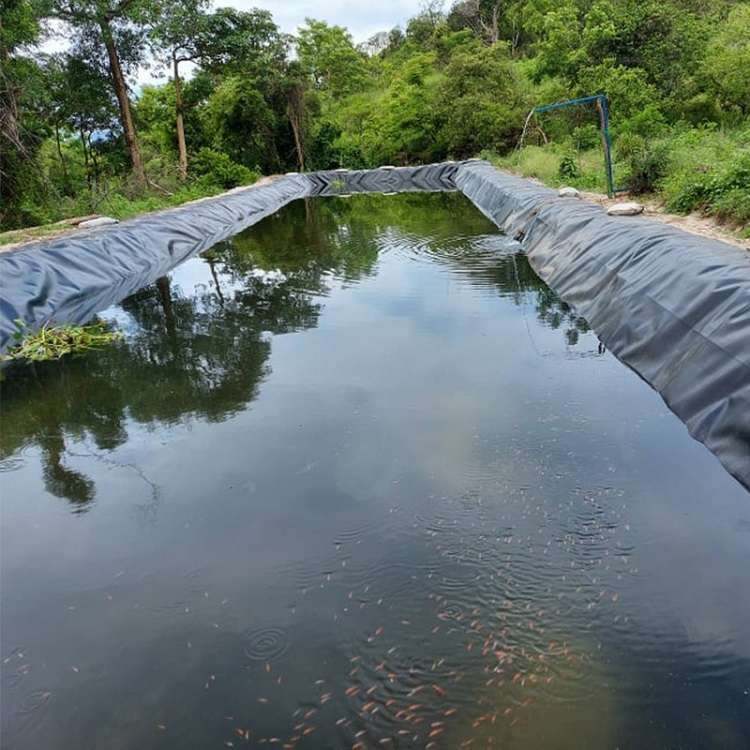
Dam liners create a waterproof barrier between the stored water and the soil. This prevents leakage and allows farmers to maximize every drop harvested during the rainy season.
Benefits of Dam Lining in Kenya
Reliable Water Access for Agriculture
With dam liners, farmers can access water for consistent farming through irrigation. It becomes easy to grow vegetables, fruits or and other short season crops without worries of drought.
Food Security Productivity
Water availability directly influences agricultural output. Due to consistent agricultural production, famine and hunger is prevented.
High Water Quality
Dam liners help maintain cleaner water by minimizing soil erosion into the reservoir. Clean water improves drip irrigation performance and reduces maintenance costs.
Affordable water access
Dam lining helps cut the cost of buying municipal water or pumping from distant rivers or community boreholes.
Types of Dam Lining Materials in Kenya
HDPE Dam Liners
Most common type of dam liner. Made of highly resistant and durable HDPE material. Used for critical applications such as wastewater handling, dam lining, concrete pond lining, mining and fishpond lining.
LLDPE Dam Liners
Linear Low-Density Polyethylene (LLDPE) are more flexible but less strong and durable than HDPE. Best for small water pans and less critical applications.
PVC Dam Liners
PVC liners are lightweight and flexible. They are easier to install but generally less durable under intense conditions. They are commonly used in temporary or small-scale water storage projects.
How to Choose the Best Gauge for Dam Lining in Kenya
- Match the dam liner with the size of the water pan.
- Ensure the dam liner is made of resistant UV treated material. UV resistance means the liner can withstand high sunlight effect.
- Buy the dam liner gauge suitable for your water needs. High water volumes requires high gauge.
- Check for sample from supplier before purchase to ascertain quality.
- Consider the installation support. Engage a supplier who can help with installation and repair.
Dam Liners for Water Pans in Kenya
Water pans are essential rainwater harvesting structures.
Without liners, stored water gradually disappears through seepage affecting agriculture and other water needs.
A quality liner transforms a water pan to a dependable water source for irrigation during dry spells.
Best Practices for Water Pan Construction
- Remove sharp stones
- Compact the soil
- Create anchor trenches
- Ensure proper drainage around the reservoir
Dam Liner Installation Process
Site Assessment
The first step involves evaluating:
- Soil conditions
- Water requirements
- Reservoir dimensions
This helps determine the appropriate liner type and thickness.
Surface Preparation
A smooth surface reduces puncture risks.
Contractors often add a protective layer of fine soil or sand beneath the liner.
Liner Placement and Welding
Large liners require specialized welding equipment to join sections.
Proper welding ensures a completely waterproof seal.
Filling Water | Testing the Liner
The reservoir is gradually filled and inspected for leaks to ensure it works effectively.
This quality check prevents future water losses.
Where to Get Dam Lining Materials in Kenya
Faulu Irrigation LTD. We are a top dam liner supplier in Nairobi dealing in high quality dam liners from 0.3mm to 1mm gauges.
Why Buy Dam Liners from Us
- Reliable customer service – we help you choose the best liner, fast process and track your orders.
- Site Survey – Our team may come for site survey to ensure correct measurement and sizing of the liner to use.
- Top Installation Support – We offer reliable installation and repair services to our customers.
- Wide range of Options – we have different sizes of dam liners you can choose from depending on the intended use.
- Organized delivery at low cost – we ensure reliable delivery of dam liners to your location at convenient rates.
Common Dam Lining Mistakes you Should Avoid
- Poor Quality Dam Liners: Invest in quality dam liner to avoid expensive repair needs.
- Poor Dam Preparation: Sharp rocks and roots can puncture liners.
- Using the Wrong Thickness: Undersized gauges may fail under heavy water pressure.
Frequently Asked Questions
1. What is the best dam liner material in Kenya?
HDPE Dam Liners are strong and durable.
2. How much does dam liners cost in Kenya?
KES 210 – KES 450 per square meter.
3. How long do HDPE dam liners last?
Up to 50 years.
4. Which gauge is best for irrigation dams?
High density gauge, 0.75mm and 1 mm liners.
5. Can dam liners be repaired?
Yes. Punctured liner can be patched using a hot welding machine.
6. Are dam liners suitable for fish ponds?
Yes. HDPE liners are used for retaining water in fish ponds as well.
7. Do dam liners reduce evaporation?
No, to prevent evaporation, use a shade net to cover the reservoir.
8. Can I install a dam liner myself?
If you are an expert technician, yes. Otherwise you need to hire an expert.
9. What size water pan should I build?
The size depends on crop water requirements, farm acreage, and rainfall patterns.
10. Where can I buy dam liners in Kenya?
Faulu Irrigation LTD.
Leave a Reply