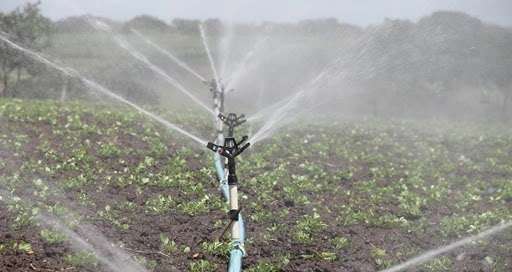
Sprinkler irrigation system comes with a range of high-performance sprinklers that is within you crop flow rates. Sprinklers work best for reliable irrigation of vegetables and other field crops. The cost of sprinkler irrigation system in Kenya is KES 80,000 – KES 125,000 for an acre of farm. You can source quality sprinkler irrigation system in Kenya at Faulu Irrigation LTD, who will handle installation.
Call 0717120401
Sprinkler Irrigation System Price in Kenya
The cost of Sprinkler Irrigation System in Kenya is between KES 80,000 – KES 125,000 per acre without a pump.
Sprinkler Prices in Kenya
Cost of sprinklers vary depending on the brand, type and intended use. Common sprinklers in Kenya are available at varying cost prices below:
- Plastic Impact Sprinklers – KES 800 – KES 1,500
- Brass Impact Sprinkler – KES 1,200 – KES 2,500
- Micro sprinklers – KES 350 – KES 550
- Pop-up Sprinklers – KES 2,700 – KES 5,500
- Rain Gun Sprinklers with Stand – KES 8,000 – KES 45,000
Sprinkler Irrigation System in Kenya
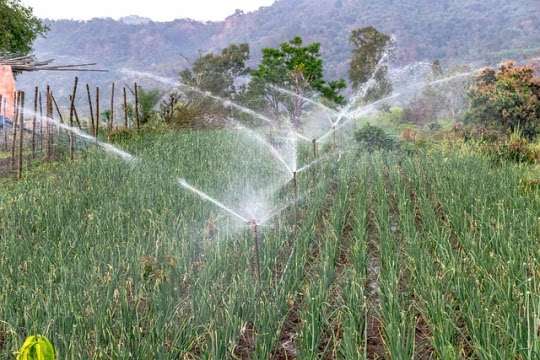
Sprinkler irrigation system moves by pipes and distributes to crops overhead through a sprinkler head. The sprinkler head is connected to a raised water supply pipe and delivers water through a rotation action by the aid of high water pressure.
Sprinklers have a higher flow rate, coverage and uniform wetting pattern than furrow irrigation.
Full Sprinkler Irrigation System
- High Pressure Water pump – for moving water to the system for high pressure discharge at the sprinkler.
- Strainer – filters debris at the water suction.
- Mainline HDPE or Lay Flat PE pipe – delivers water from source to the sprinkler point.
- Pipe Lateral – GI or HDPE pipe that feeds water to the sprinkler head from supply pipes.
- Sprinkler head – the main water distribution sprinkler.
- Nozzles – the sprinkler head comes with nozzles with varying flow rates as per the sprinkler type.
- Control valves – controls the irrigation by opening or closing water flow.
Common Sprinklers for Irrigation in Kenya
- Impact sprinklers – Sprinklers that discharge water and rotate upon impact of water hitting their spring-loaded arm. Work on moderate pressure and are available in plastic or metallic body design.
- Micro Sprinklers – low pressure sprinkler with small round plastic or metal body with tiny nozzle in between. Best for irrigating orchards, nurseries, fruits, vegetables and flowers.
- Rain Guns – rain guns are high pressure sprinklers for commercial agriculture. Built with durable brass metallic body with 2 nozzles that deliver high flow rate and coverage. Used to water maize, sugarcane, grasses and vegetables.
- Pop-up Lawn Sprinklers – built with pop-up and retraction feature that enhances automated irrigation of lawns. Made of plastic durable body with a spring and nozzle that release water spray. Delivers wide and uniform irrigation.
Types of Crops to Irrigate With Sprinklers
- Vegetables – kales, cabbages, lettuce and spinach require micro sprinklers, impact or rain guns.
- Potatoes – also ideal to water using rain guns and sprinklers.
- Fruits – avocado, citrus and papaya
- Fodder – napier, kikuyu grass and lucerne
- Sugarcane – best watered using rain guns.
- Cotton – also requires high water flow rates delivered by sprinklers.
- Maize – another high water needing crop to irrigate using rain gun sprinklers.
Sprinklers for Lawn Irrigation
Lawns require frequent, light watering to maintain healthy turf. Pop-up and rotor sprinklers are the most popular choices because they deliver even coverage.
Water early in the morning to reduce evaporation. Adjust spray patterns to avoid watering driveways and pathways.
Why Kenyan Farmers Prefer Sprinkler Irrigation
- Suitable for both small and large farms.
- Conserves water compared to flood irrigation.
- Reduces soil erosion.
- Supports uniform crop growth.
- Can be used on uneven terrain with proper design.
Benefits of Sprinkler Irrigation System Compared to Furrow Irrigation
- Efficient Water Use: Sprinklers have higher flow rates, which meets your plant moisture requirements.
- High Crop Yields: consistent moisture supply maintains high plants growth and yield.
- Suitability to wide range of crops: sprinklers are reliable for most food crops, flowers, commercial crops, fodder and herbs.
- Low cost: affordable to buy and install than drip irrigation system.
- Can be automated: Sprinklers can be automated to operate without need for manual labour.
Sprinkler Irrigation System Design
Step 1: Assess the Farm
Measure the farm size, check the topography and distance from the water source.
Step 2: Calculate Water Requirements
Different crops require different amounts of water depending on growth stage, soil type, and weather conditions.
Step 3: Select the right sprinkler
Consider the spray radius, operating pressure and crop types.
Step 4: Plan Sprinkler Spacing
Proper spacing prevents dry patches and excessive overlap. Spacing depends on nozzle size and pressure.
Step 5: Divide into Irrigation Zones
Large farms are often divided into zones so that only part of the system operates at a time. This reduces pump size requirements and improves pressure consistency.
Step 6: Install the sprinkler system
After setup mount the pump near the water source, connect the pipes and sprinkler heads. Start the pump and test if the sprinklers work properly.
How to Choose the Right Sprinkler Irrigation System
- Farm Size – for small farms, impact sprinklers are reasonable. Large farms need heavy duty rain gun sprinklers.
- Crop Type – Water fruit trees using micro sprinklers, while fodder crops require rain guns.
- Water Availability – sprinklers consume much water. always ensure reliable water is available.
- Budget – consider the initial investment and operation cost before choosing a sprinkler system.
Where to Buy Sprinklers in Kenya
Faulu Irrigation LTD.
Call 0717120401
Frequently Asked Questions (FAQs)
1. How much does a sprinkler irrigation system cost in Kenya?
KES 80,000 – KES 120,000.
2. Which sprinkler is best for irrigating vegetables?
Any sprinkler can work depending on soil type and size of your vegetable farm.
3. Which Crops are irrigated using sprinklers?
Vegetables, pasture, coffee, potatoes, maize, fruit trees and flowers.
4. Can sprinkler irrigation work on sloping land?
Yes. A properly designed system with suitable pressure regulation works even on a slopy land.
5. How long does a sprinkler irrigation system last?
20 years or more.
6. Where to Buy Quality Sprinklers in Kenya?
Faulu Irrigation LTD.
Leave a Reply