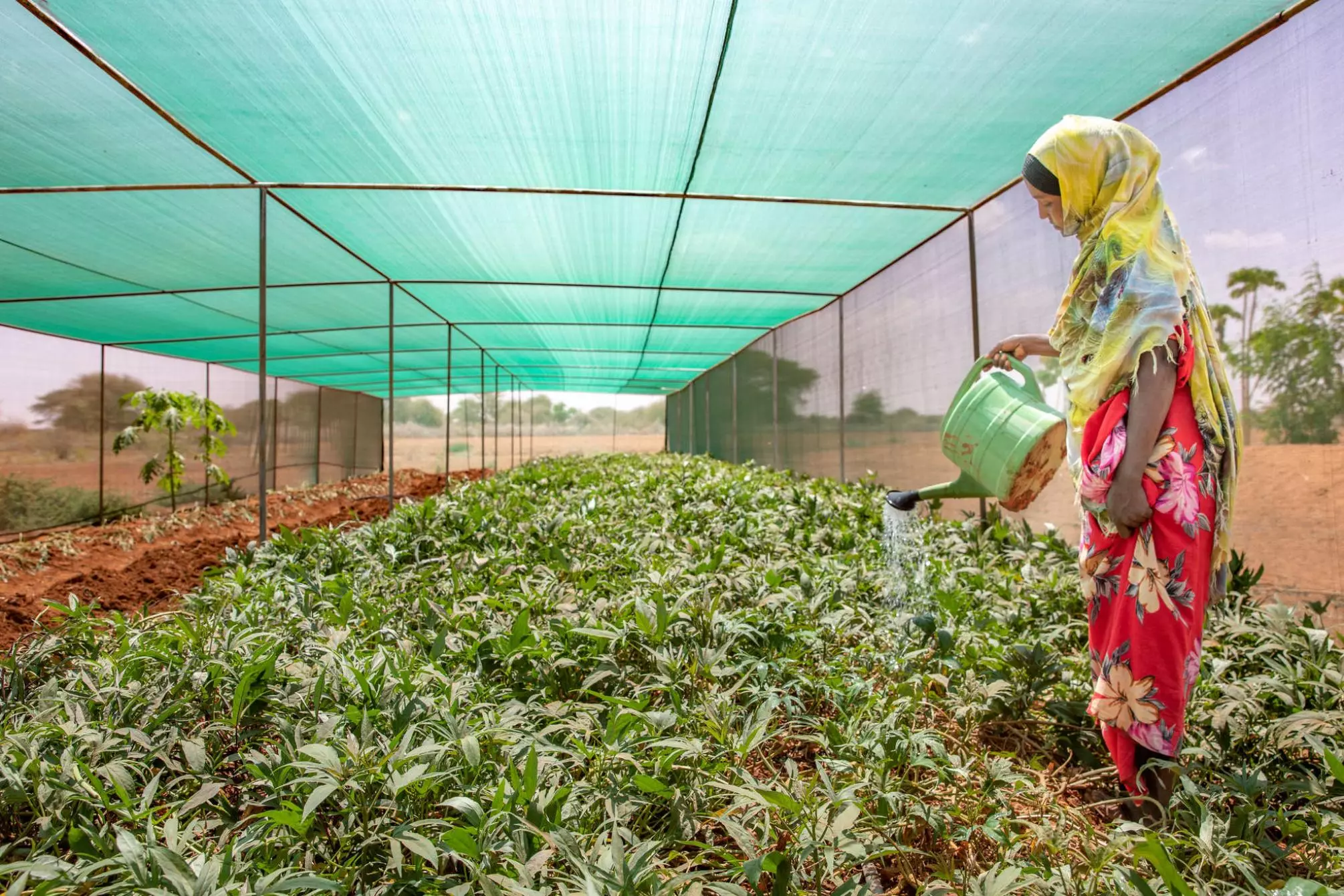
Agricultural shade net prices in Kenya depend on shade percentage, material quality, UV treatment, dimensions, and supplier. The Current price of a standard 4m × 50m shade net roll (200m²) is between KES 13,000 and KES 38,000. At Faulu Irrigation LTD, we provide the best shade nets coupled with installation at farmer-friendly charges.
Shade Net Prices in Kenya Per Roll
| Shade percentage | Price per 4m × 50m roll |
| 35% | KES 14,000 |
| 55% | KES 20,000 |
| 75% | KES 26,000 |
| 90% | KES 37,000 |
Shade net prices in Kenya per square metre
Note that we also sell shade nets in varying square metre rolls as per the demand of our clients. Our shade nets are available at KES 65 – KES 230 per square metre. Variation in cost of shade nets depends on the shade net filtration level.
Types of Agricultural Shade Nets in Kenya
Different crops require different sunlight levels. Shade percentage indicates how much incoming sunlight the net blocks, not how much light it allows through.
- 35% shade nets: Suitable for tomatoes, capsicum, strawberries and general horticulture where crops still need substantial sunlight.
- 55% shade nets: Useful for leafy vegetables, sensitive flowers and seedling production, depending on local temperatures and crop requirements.
- 75% shade nets: For a wide range of seedling propagation, including vegetable, coffee, tea, and fruit seedlings.
- 90% shade net: Primarily suitable for delicate seedlings, specialised shade-loving plants and certain nursery applications.
UV-stabilised HDPE (high-density polyethylene) is a popular material because it offers strength, flexibility, and resistance to prolonged sunlight exposure. Always check whether the product is genuinely UV-treated rather than judging quality by colour alone.
Best Agricultural Shade Nets for Different Crops
Choosing the correct shade percentage can make a significant difference in crop performance. A net that works well for seedlings might reduce productivity when used over mature fruiting plants. Consider your crop, altitude, weather conditions, and growing season before buying.
Shade nets for vegetable farming
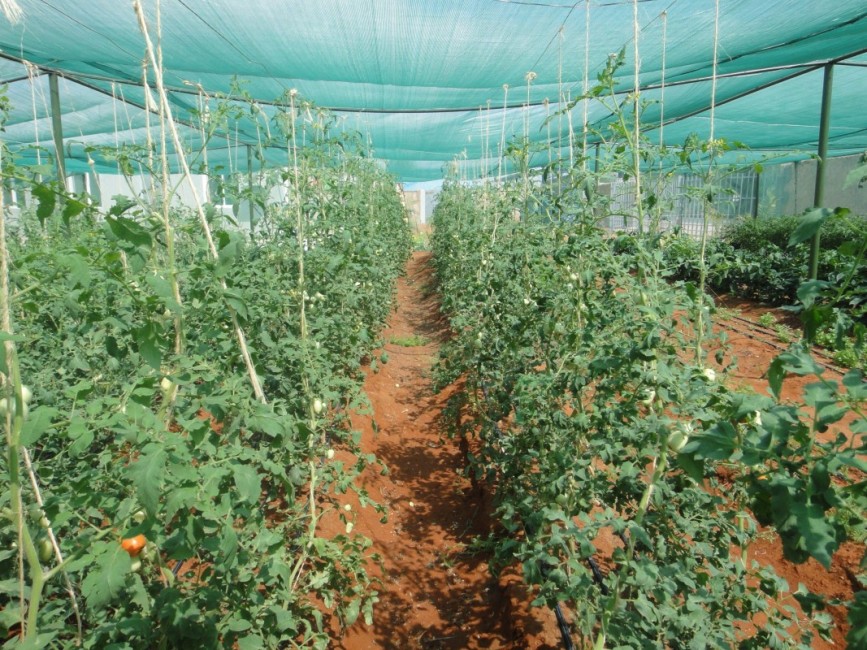
Tomatoes, capsicum, spinach, kale, and lettuce can benefit from shade net farming during periods of intense heat. Farmers can consider 30–50% shade for fruiting vegetables and approximately 40–55% for leafy vegetables, adjusting according to local conditions. University of Maryland Extension identifies 30% shade cloth as a useful option for reducing heat stress while retaining sufficient sunlight for many vegetables.
Shade nets for flower farming
Flower farmers growing roses, gerberas, orchids and other ornamentals need to manage sunlight carefully. Depending on the variety, 50–75% shade may be appropriate, while some shade-loving ornamental plants need more protection. Excessive shading, however, can reduce flowering and weaken plant growth. Monitor leaf colour, flower development and ventilation to determine whether the selected net is appropriate.
Shade nets for fruit farming
Fruit growers can use shade nets to reduce sunburn, protect young plants and moderate harsh growing conditions. Consider 30–50% shade for crops such as strawberries and young fruit plants where excessive heat is a concern. Shade requirements differ between species, so avoid covering an entire orchard with dense netting without testing a small section first.
Shade nets for nurseries and seedlings
Seedlings are particularly vulnerable to harsh sunlight, drying winds and temperature fluctuations. A 75% shade net can be a practical starting point, with 90% reserved for particularly sensitive plants or extreme conditions. Gradually reduce shading as seedlings mature to prepare them for transplanting.
Top Brand for Shade Nets in Kenya
Faulu Irrigation LTD distributes top-quality shade nets in Kenya. Our shade netting products are brand new fabrics that can remain strong and effective for over 5 years.
How Shade Nets Improve Agriculture
Shade nets offer more than protection from sunlight. They help farmers manage the growing environment and reduce some weather-related production risks. By reducing direct solar radiation, suitable shade netting can lower crop heat stress, limit sunburn and help maintain more favourable growing conditions.
Other benefits include:
- Moisture management: Reduced direct sunlight can slow soil moisture loss.
- Better crop quality: Protection against excessive heat can reduce sunscald and improve marketability.
- Wind protection: Properly installed netting can act as a windbreak.
- Seedling protection: Young plants receive more controlled growing conditions.
- Extended growing seasons: Some heat-sensitive vegetables can remain productive for longer.
Best Ways to Install and Maintain Shade Nets
A good shade net needs a strong supporting structure. Begin by measuring the growing area and selecting durable poles, support wires and suitable fastening materials. Ensure the structure has sufficient height and ventilation, particularly in humid growing environments.
How to Choose the Best Quality Shade Net
Before purchasing, check five important features:
- UV stabilisation: Helps protect the net against deterioration from sunlight.
- Material: Quality HDPE is commonly used in agricultural netting.
- GSM: Higher fabric weight may indicate greater material content, although construction and UV treatment also matter.
- Shade percentage: Match the net to the crop rather than automatically buying the densest option.
Leave a Reply