Quality Rain hose irrigation system in Kenya is from as low as KES 80,000 per acre at Faulu Irrigation LTD. We have the best quality rain hose system tailored for your crop water needs.
Call 0717120401
Quick Takeaways
- Rain Hose Irrigation System is affordable for irrigating vegetables and animal pasture.
- Complete rain hose irrigation system includes pipes, rain hose pipe, connectors and water filters.
- The system requires a pressure of 30 M head to operate.
- Rain hose pipes used depends on the crop water needs. Options are 32mm, 40 mm and 50 mm diameter rain hose pipes.
- The rain pipe spacing also varies with crop types but atleast 1.5 m.
- Using a quality water filter and regular cleaning or flushing the system reduces clogging.
- Quality Rain Hose System available at Faulu Irrigation LTD.
What Is a Rain Hose Irrigation System?
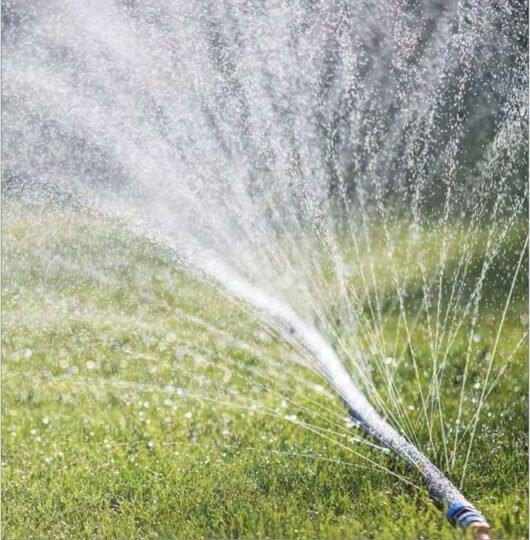
A Rain Hose Irrigation System waters crops by a gentle rain released by a perforated hose pipe.
Rain Hose Pipe Specifications
- UV treated PE material
- 100m Length
- Available in diameter of 32mm, 40mm and 50mm.
- Spray radius of 1.5 – 3 m.
- Lifespan of 3-5 years.
How Rain Hose Irrigation Works
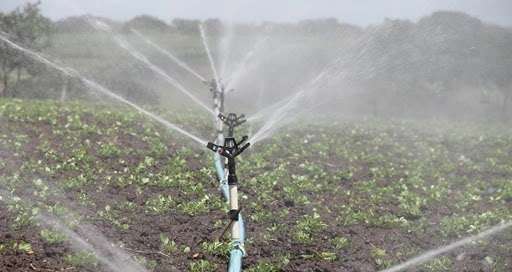
Water flows from a storage tank or pump through a mainline pipe into the rain hose. As pressure builds, tiny perforations release water evenly across the crop bed, providing consistent moisture while minimizing runoff and soil erosion.
Benefits of Rain Hose Irrigation System
- Water savings: unlike flood irrigation, rain hose systems reduce water loss by delivering water directly where crops need it.
- Labour savings: Once installed, one person can irrigate a large area with minimal effort.
- Uniform crop growth: Even water distribution promotes consistent plant development.
- Lower energy consumption: The system operates effectively under relatively low pressure, reducing pumping costs.
- Reduced soil erosion: Gentle spray protects topsoil and minimizes nutrient loss.
Complete Rain Hose Irrigation System in Kenya
- Rain Hose Pipe – Perforated Hose pipe that delivers water.
- Mainline Pipe – HDPE or PVC pie for water supply to the rain hose pipes.
- Connectors – includes HDPE elbow, tee and coupling plus Hose pipe fittings.
- Ball Cork – for controlling water entering the rain hose section.
- End Cap – closes the mainline and hose pipe to prevent water flow at the pipe end.
- Filter – for capturing debris that clogs the rain hose emitter.
- Pressure Regulator – regulates pressure for uniform water discharge.
- Water pump – used to deliver high pressure flow of water in the system.
How to Choose the Right Rain Hose Pipe
Consider:
- Crop spacing – close spaced crops can use 32mm rain pipe.
- Farm size – the larger the farm, the bigger the pipe required.
- Crop water needs – if the crops require more water, you will need a pipe with high flow rate.
Rain Hose Pipe Spacing
Rain Hose pipes spacing is at least 1.5 m but depends on crop type. Correct rain hose pipe spacing ensures every crop receives sufficient water.
Recommended Number of Rain Hose for Common Crops
| Crop | Rain Hose Layout |
| Onions | One hose per bed |
| Cabbages | One hose between two rows (where appropriate) |
| Spinach | One hose per bed |
| Kale | One hose per bed |
| Lettuce | One hose per bed |
| Seedlings | Closer spacing for uniform coverage |
How to Install a Rain Hose Irrigation System in Kenya
- Conduct Site Visit: Site visit done by our technician to measure the farm, identify water source and design the system layout.
- Install the Mainline Pipe: Lay and connect mainline HDPE pipes from the water source to the field.
- Connect the Rain Hose pipe: connect the rain hose pipe to the mainline pipe using start connectors
- Install the Filter: place the filter at the mainline to avoid clogging the rain pipe.
- Test the System: Open the valve to check if the system works well.
How to Use a Rain Hose Irrigation Kit
Understanding how to use rain hose system correctly helps maximize water efficiency and crop production.
After installation, open the main valve gradually to allow water to fill the system evenly. Check that each rain hose produces a consistent spray pattern before leaving it to irrigate.
For best results:
- Irrigate early in the morning or late in the afternoon to reduce evaporation.
- Avoid watering during strong winds, as spray can drift away from the target area.
- Adjust irrigation duration according to crop growth stage and soil moisture rather than following a fixed schedule.
- Inspect the system regularly for leaks, damaged fittings, or clogged filters.
Crops You can Water Using Rain Hose System
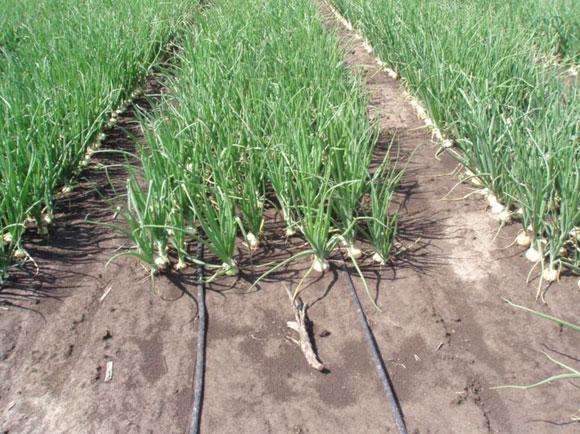
- Onions
- Cabbages
- Spinach
- Kale
- Lettuce
- Coriander
- Tomatoes (during early growth stages)
- French beans
- Carrots
- Beetroot
- Nursery seedlings
- Herbs
Rain hose irrigation wets a wide area evenly, supporting uniform and healthy plant growth.
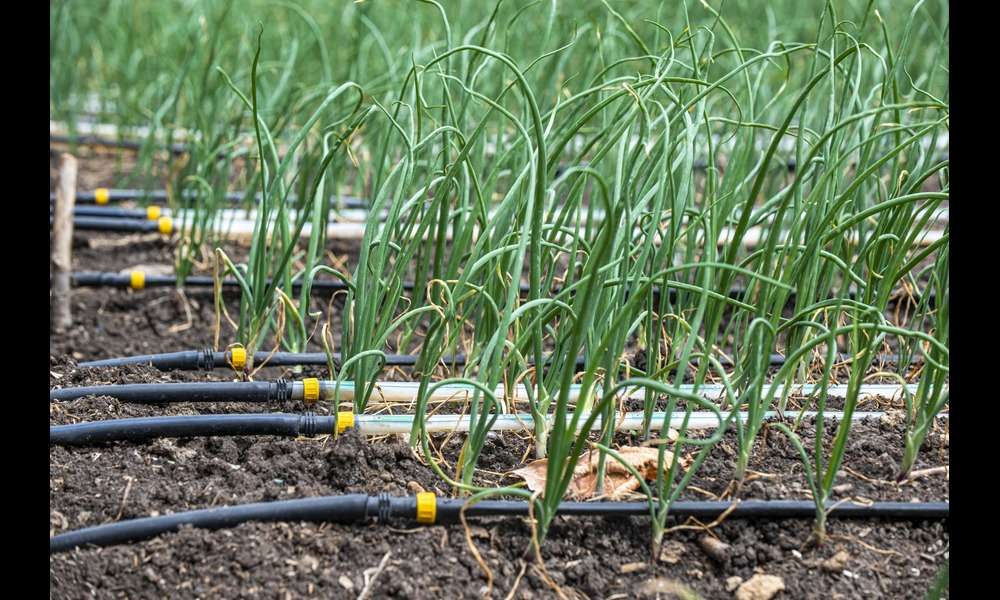
For widely spaced crops such as maize or fruit trees, drip irrigation is more efficient as it delivers water directly to the root zone.
Rain Hose Irrigation System Maintenance Practices
- Clean the filter weekly or more often if using river or dam water.
- Flush the rain hoses at the end of each irrigation cycle to remove sediment.
- Inspect connectors and valves for leaks.
- Repair damaged sections promptly.
- Store hoses in a shaded area after the season if they are not permanently installed.
Rain Hose vs. Drip Irrigation
| Feature | Rain Hose | Drip Irrigation |
| Water application | Fine overhead spray | Direct to root zone |
| Crops | Closely spaced vegetables | Widely spaced crops |
| Initial cost | Lower than drip kit | Cost more than rain hos |
| Water Consumption | High | Low |
| Weed control | Moderate | Better |
Drip irrigation is best for orchards, vineyards, and crops with wider spacing. Rain hose irrigation is excellent for leafy vegetables and seedbeds where broad coverage is desirable.
What you should ask
Before purchasing, ask:
- Is the hose suitable for my crop spacing?
- Does my water source provide enough pressure?
- Are replacement fittings locally available?
- Can the system be expanded in the future?
- Does it come with installation?
Frequently Asked Questions
1. What is a Rain Hose Irrigation System?
A system that irrigates crops through a low pressure overhead spray using a perforated rain hose pipe.
2. What crops are best suited for rain hose irrigation?
Onions cabbages, leafy greens, carrots, herbs, animal feeds, and tree seedlings.
3. What is the recommended pressure for rain hose system?
30 M head or 3 bars.
4. How far apart should rain hose pipes be?
Spacing is at least 1.5 m.
5. Can I use a rain hose system on sloping land?
Yes, but pressure variations should be considered during design.
6. How often should I clean the filter?
It depends on the source of water.
7. How long do rain hose pipes last?
3 years or more
8. What should I check before buying a rain hose kit?
Check to ensure the accessories are from a certified manufacturer.
9. Is rain hose irrigation better than drip irrigation?
Rain hose irrigation suits close planted plants, while drip irrigation is efficient for spaced crops.
10. Where to Get Rain Hose Irrigation System in Kenya?
Faulu Irrigation LTD.
Leave a Reply