Drip irrigation System in Kenya ranges from KES 135,000 – KES 180,000 per acre. We offer drip irrigation installation at customer friendly rates.Call 0717120401Water Shortage continues to be a major challenge in agriculture. Drip irrigation offers a reliable solution by watering each plant which the moisture rate at the root zone. Water falls on the plant root zone and thus minimizing wastage.
Drip Irrigation System By Faulu Irrigation LTD
Buy Complete drip irrigation system from Faulu Irrigation LTD. The drip irrigation is customized and works best in open farms and greenhouse growing environment.Our
drip irrigation kits include pipes and accessories below:
- Dripline roll – 0.3mm or 0.4 mm roll 16mm diameter.
- Mainline HDPE Pipe – mainline connection which delivers water from source tank to the farm.
- Sub-mainline Pipe – distributes water from the mainline pipe to the driplines in the beds.
- Laterals – from sub-mainline and connects to driplines.
- Connectors – include tee, Elbow, End Cap and drip connectors.
- Screen filter – to remove debris which can block the irrigation system.
How Does Drip Irrigation Systems Work?
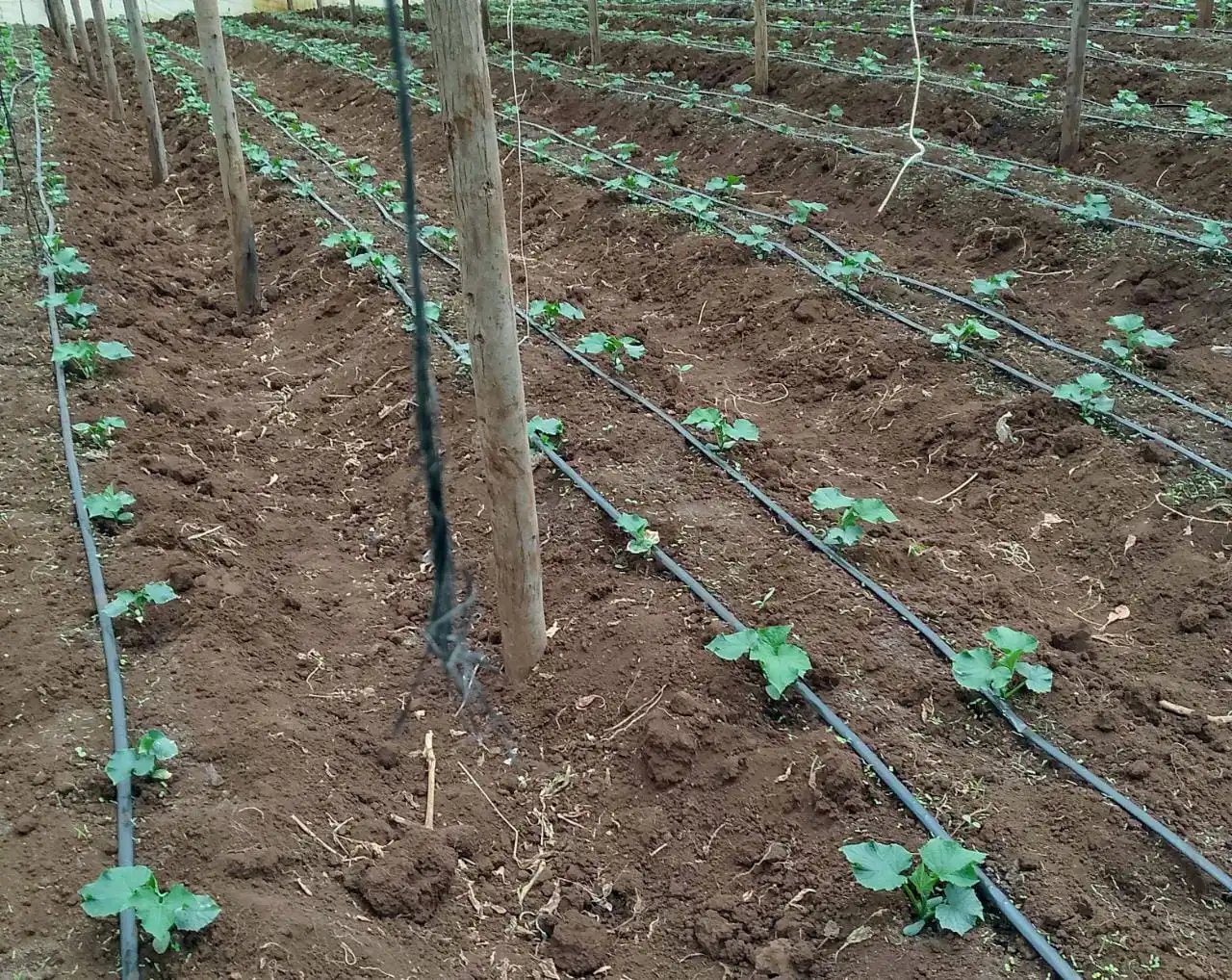
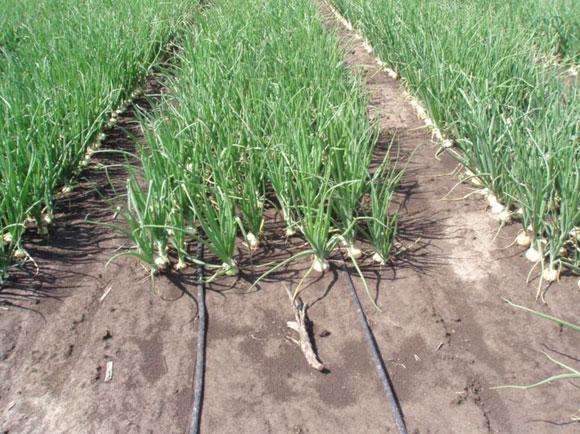
Drip Irrigation system with the enhanced dripline delivers water slowly and in balanced rates to plant root zones.What makes drip irrigation much efficient than rain fed agriculture, is the control of watering rates and frequency. Crops get sufficient moisture, not less or excess, thus your plants will mature well.
Types of Drip Irrigation Systems
Surface Drip Irrigation
Surface
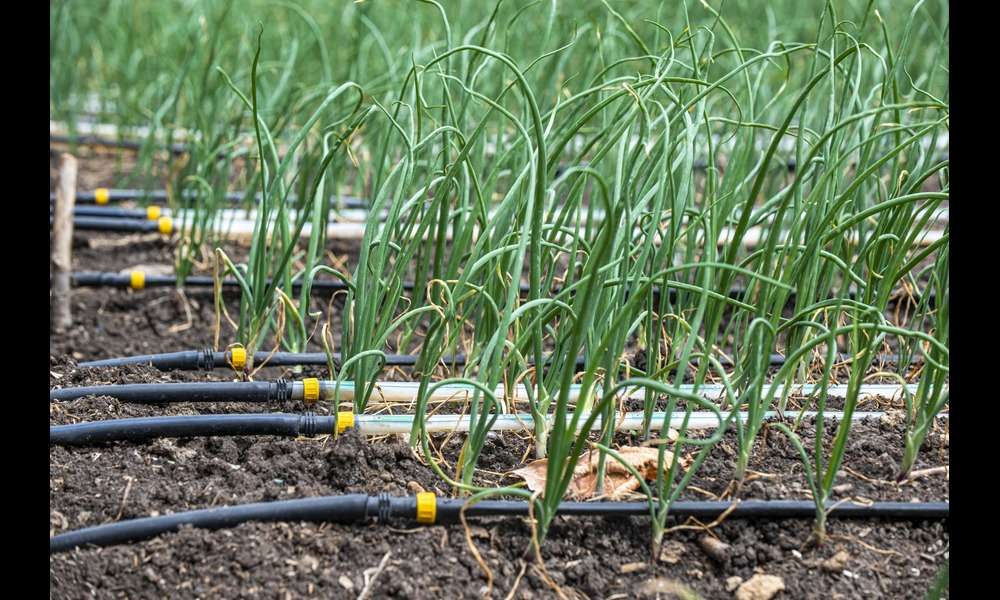
drip systems place tubing on top of the soil surface near plants. This method is widely used in vegetable farming, orchards, vineyards, and flower cultivation.
Advantages
- Easy installation
- Simplified maintenance
- Cost-effective setup
- Suitable for seasonal crops
Subsurface Drip Irrigation
Subsurface drip
irrigation buries tubing beneath the soil surface, allowing water to reach roots directly underground.
Advantages
- Minimal evaporation losses
- Reduced weed growth
- Enhanced water efficiency
- Lower disease incidence
This system is commonly used in large-scale agriculture and permanent crop production.
Benefits of Drip Irrigation
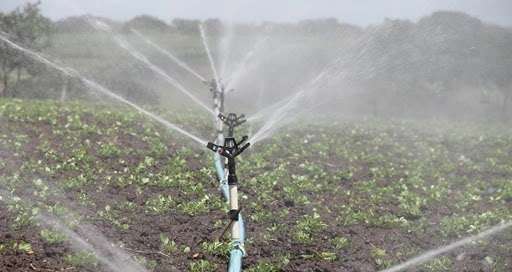
Superior Water EfficiencyOne of the greatest advantages of drip irrigation is its remarkable water-saving capability. Traditional irrigation methods lose substantial amounts of water due to evaporation, runoff, and overspray.Drip irrigation delivers water exactly where needed, reducing wastage by up to 60%.
Improved Crop YieldConsistent soil moisture promotes healthier plant development and higher agricultural productivity. Plants experience less stress because roots receive stable hydration levels throughout the growing cycle.
Key Yield Improvements- Faster growth rates
- Uniform crop development
- Better fruit quality
- Increased harvest volume
Reduced Weed GrowthSince water is applied only around plant roots, surrounding areas remain dry. This significantly limits weed germination and competition for nutrients.
Lower Fertilizer LossFertigation systems allow nutrients to move directly into the root zone. This minimizes nutrient leaching and maximizes fertilizer absorption efficiency.
Disease PreventionWet foliage often encourages fungal diseases and bacterial infections. Drip irrigation keeps leaves dry, reducing the spread of plant pathogens.
Energy SavingsLow-pressure operation consumes less energy compared to overhead sprinkler systems, lowering electricity and fuel costs.
Which Crops to Water Using Drip Irrigation?
Drip irrigation supports the cultivation of:
- Vegetables – Swiss chards, cabbages, Kales, and broccoli.
- Fruits – strawberries, melons, dragon fruit and raspberries.
- Maize
- Tomatoes
- Cucumbers
- Peppers
- Lettuce
- Herbs
- Flowers
Drip Irrigation Installation Process
Step 1: Site Assessment
Before installation, evaluate:
- Soil type
- Crop spacing
- Water quality
- Field slope
- Climate conditions
Proper planning ensures maximum irrigation efficiency.
Step 2: Design of the drip irrigation System
Design the irrigation layout based on:
- Crop requirements
- Water pressure
- Field dimensions
- Flow rate calculations
Professional design minimizes uneven water distribution.
Step 3: Lay and connect Mainline Pipes
Make a connection from the tank to the farm, using HDPE pipe.
Step 4: Lay Driplines
Lay the dripline on the root zone. Space as per the requirements of crop spacing. At least 30 cm apart.
Step 6: Test the System
Check for:
- Leaks
- Pressure inconsistencies
- Clogged emitters
- Uniform flow
System testing ensures reliable performance before full-scale operation.
Maintenance of Drip Irrigation Systems
Regular Filter Cleaning
Filters must be cleaned frequently to prevent clogging.
Flushing the System
Periodic flushing removes sediment buildup inside pipes and tubing.
Checking Emitters
Inspect emitters for blockages or uneven discharge rates.
Pressure Monitoring
Maintain recommended pressure levels to ensure consistent water delivery.
Seasonal Inspection
Inspect the entire network before each planting season for damage or wear.
Drip Irrigation: Soil Compatibility
Sandy Soil
Sandy soils drain rapidly and require:
- Frequent irrigation cycles
- Lower water volume per cycle
Clay Soil
Clay retains moisture longer and requires:
- Slower application rates
- Longer intervals between irrigation
Loamy Soil
Loam offers balanced drainage and moisture retention, making it ideal for drip irrigation.
Drip Irrigation vs Traditional Irrigation
| Feature | Drip Irrigation | Traditional Irrigation |
| Water Efficiency | Extremely High | Moderate to Low |
| Evaporation Loss | Minimal | Significant |
| Weed Growth | Reduced | Increased |
| Fertilizer Efficiency | High | Lower |
| Disease Risk | Lower | Higher |
| Labor Requirement | Reduced | Higher |
| Energy Consumption | Lower | Higher |
Advantages of Drip Irrigation
- High water use efficiency
- Saves on Labour cost
- Fertilizer use efficiency
- High Crop Yield
Environmental Impact of Drip Irrigation
Water Conservation
Efficient water use helps preserve groundwater reserves and freshwater ecosystems.
Reduced Soil Erosion
Low-flow irrigation minimizes surface runoff and soil degradation.
Zero Soil Pollution
Precise nutrient delivery reduces contamination of rivers and groundwater.
Leave a Reply