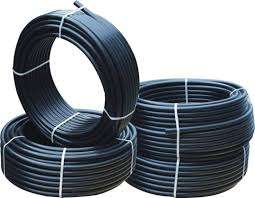
Best Irrigation pipes in Kenya are stocked at Faulu Irrigation LTD. Our Irrigation Pipes are at wide range of sizes that match your desired flow rates. Our irrigation pipes are available in diameter sizes of 16mm, 20mm,25mm, 32mm,40mm,50mm, 63mm,75mm, 90mm and 110mm. Driplines come in diameter sizes of 16mm and wall thickness of 0.3mm or 0.4mm.
If you are planning to install an or repair an irrigation system, quality irrigation pipes are essential.
Call 0717120401
Irrigation Pipes in Kenya
The irrigation sector is growing in Kenya due to increasing demand for continuous produce admist low rainfall season. Irrigation farming makes use of pipes such as HDPE pipes, PVC pipes, driplines, PE pipes, rain hose and layflat PE hose pipes.
These pipes can be used specifically or combined depending on the irrigation method.
Irrigation Pipe Prices in Kenya
Prices of irrigation pipes depend on the diameter, pressure rating or thickness and type of pipe.
HDPE Pipe Prices in Kenya
| Pipe diameter (mm) | 100m Roll Price |
| 16mm | KES 1,700 |
| 20mm | KES 2,800 |
| 25mm | KES 3,500 |
| 32mm | KES 4,500 |
| 40mm | KES 7,500 |
| 50mm | KES 11,000 |
| 63mm | KES 17,000 |
| 75mm | KES 25,000 |
| 90mm | KES 35,000 |
| 110mm | KES 45,000 |
Dripline Prices in Kenya
- 0.3 mm thickness – KES 8,000 per 1000m roll
- 0.4 mm thickness – KES 9,000 per 1000m roll.
Rain Hose Pipe Prices in Kenya
Rain hose pipe prices are sold per roll of 100m and vary with diameter size as follows:
- 32mm – KES 2,800
- 40mm – KES 4,100
- 63mm – KES 6,000
Types of Irrigation Pipes in Kenya
HDPE Pipes
Irrigation pipes made of high-density polyethylene materials. HDPE pipes are non-corrosive, strong and UV resistant thus best for high pressure water supply. Their high flexibility and long length makes them efficient for long distance water transfer.
They have pressure nominal ratings of PN6, PN8, PN10, PN12.5, PN16, PN20 and PN25. The pressure nominal determines the application with higher suitable for high pressure water supply. Used for mainline water supply in drip irrigation, sprinkler and rain hose connections.
PVC Pipes
Pipes that are made of Polyvinyl chloride material which can also be used to supply water for irrigation. Cheaper compared to HDPE pipes and come in diameter sizes of 16mm – 110mm and length of up to 12m.
They are strong but less ideal for high pressure water supply.
PVC pipes are non-flexible and often installed below the ground to prevent degradation. They are used for drip irrigation and low pressure rain hose systems.
Rain Hose Pipes
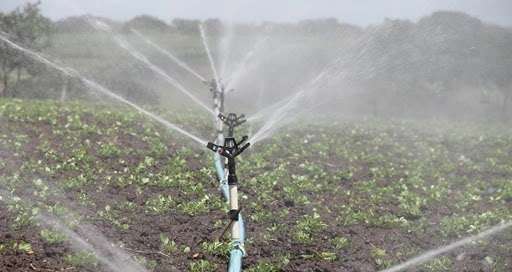
Rain hose pipes are pipes made of PE material with Laser Punched holes that release sprays over crops. Our Rain hose pipes come in 100m roll with diameter sizes of 32mm, 40mm and 50 mm.
They are suitable for watering vegetables, fodder crops, sugarcane, maize, potatoes, fruit trees, and arrowroots.
Dripline Pipes
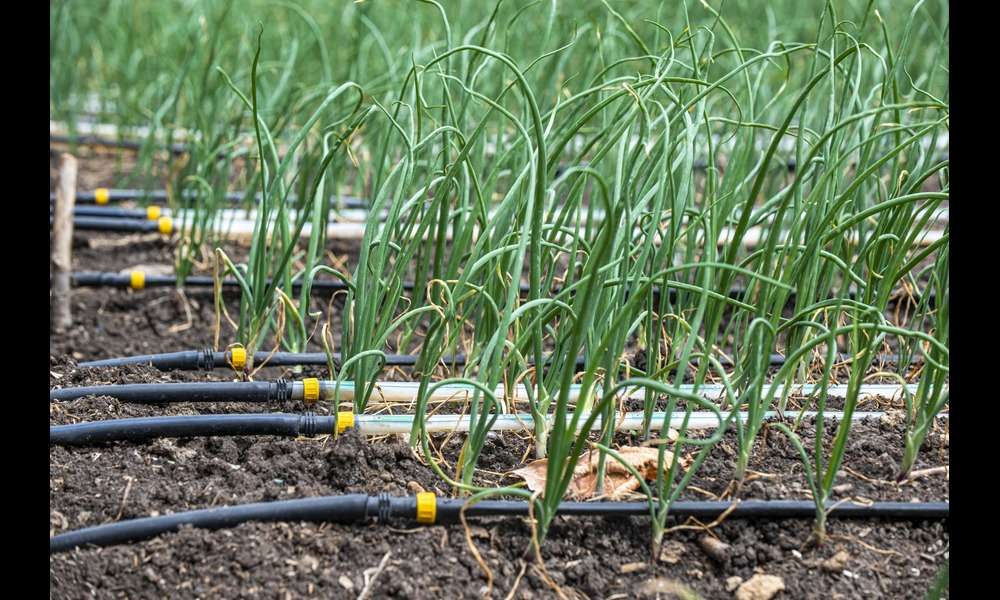
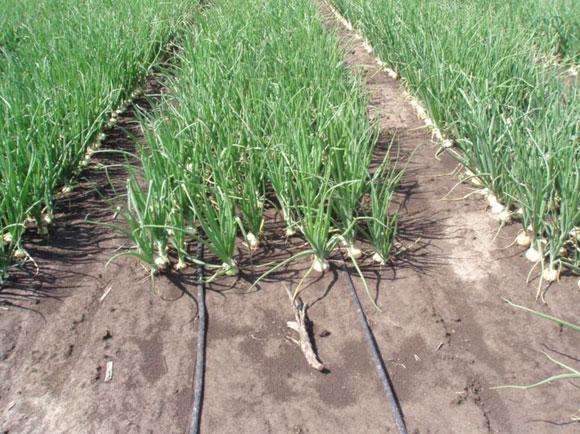
Specialized round tapes for supplying water to plants in drip wise manner. Driplines are made of Polyethylene material and packaged in rolls of 1000m. The dripline has even spaced emitter holes that release water droplets during irrigation.
They come in two different wall thickness; 0.3mm and 0.4mm. Both are designed with emitter spacing of 15cm, 20cm or 30cm. The emitter spacing is designed to suit specific type of crops.
Use for drip irrigation of tomato, capsicum, onions, garlic, vegetables, flowers and herbs.
Things That Matter When Buying Irrigation Pipes
- Type of Irrigation method – the method of irrigation determines which pipe you need. For drip irrigation, you need driplines and HDPE Pipes.
- Pressure Requirements – the required pressure for the irrigation to work determines the pipe diameter and pressure rating. For high pressure high PN HDPE pipe is recommended.
- Flow rate – the flow rate required as per the crops will decide which pipe diameter to use.
- Budget – the amount of money you have will decide which pipe you can buy. For instance if you cannot afford HDPE, PVC is still a reliable alternative.
- Durability – always consider how long the pipes are designed to last. High quality pipes will last long and save on maintenance cost.
Irrigation Pipe Connectors
Connectors are essential components that ensure water flows efficiently throughout the irrigation system. The quality of your fittings directly affects system reliability and leakage prevention.
HDPE Compression Pipe Fittings
These are threaded fittings for connection of HDPE pipes. They include:
- Couplers: Used to join two pipes of the same diameter.
- Elbows: Allow changes in pipe direction, commonly at 45° or 90° angles.
- Tees: Split water flow into a branching section of farm.
- Reducers: Connect pipes of different diameters while maintaining smooth water flow.
- End Caps: Seal the end of irrigation lines during installation or future expansion.
PVC Pipe Connectors
- Coupling
- Elbow
- Tee
- End cap
Dripline Connectors
These include:
- Take-off fittings – connects to the dripline from PE delivery pipe
- Middle connectors – to join driplines
- Drip valves – controls the water flowing to the driplines.
- End plugs – prevents water loss at ends of driplines
How to Connect Irrigation Pipes
Step 1: Plan the Layout
Before digging trenches or laying pipes:
- Measure the field.
- Identify the water source.
- Calculate required pipe lengths.
- Mark sprinkler or dripline connection points.
A simple sketch can help minimize mistakes during installation.
Step 2: Cut Pipes Properly
Use a sharp pipe cutter to create clean, square cuts. Uneven cuts often prevent connectors from sealing correctly.
Step 3: Install Connectors
For HDPE pipes:
- Insert the pipe fully into the compression fitting.
- Tighten the nut securely by hand.
- Use tools only if recommended by the manufacturer.
For PVC pipes:
- Clean both surfaces.
- Apply primer if required.
- Use PVC solvent cement.
- Allow adequate curing time before pressurizing the system.
Step 4: Pressure Test the System
Before burying pipes:
- Fill the system with water.
- Check every connection.
- Inspect for leaks.
- Repair weak joints immediately.
Testing first can save significant labor and repair costs later.
Benefits of Our Irrigation Pipes
- Improved water conservation
- Reduced labor costs
- Uniform water distribution
- Lower maintenance expenses
- Increased crop yields
- Longer system lifespan
Buy Irrigation Pipes in Kenya
Buy quality irrigation Pipes at Faulu Irrigation LTD.
We conduct prompt installation of Irrigation systems at low cost in Kenya.
Call us now. We cover all regions in Kenya and East Africa.
Communicate with us on: 0717120401
Leave a Reply