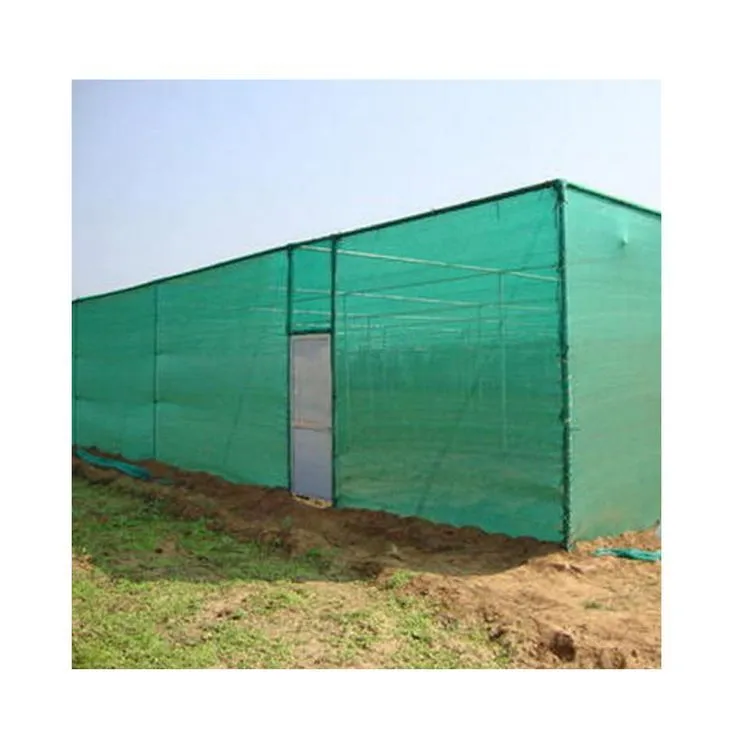
Shade Nets are manufactured in mesh fabric with varying sunlight shading capacity. The common types of shade nets include 35%, 55%, 75% and 90%. Cost of shade nets in Kenya is KES 13,000 – 36,000 per roll of 4 x 50m. High quality shade nets for crop production are at affordable prices at Faulu Irrigation LTD.
Call 0717120401
Shade Nets for Agriculture in Kenya
Shade nets have become popular in agriculture for crop protection against sunlight shock. With different shade net materials available, you have options to choose one that suits your specific crops. These fabric are used to grow vegetables, seedlings, herbs, and flowers.
Cost of Shade Nets in Kenya | 4 x 50 m shade Net Price
As stated, our shade net cost varies with the density or filtration percentage of the shade net roll. Below are the cost prices of our shade net rolls:
- 35 % Shade net – KES 13,000
- 55% Shade net – KES 18,500
- 75% Shade net – KES 25,000
- 90% Shade net – KES 34,000
How Shade Nets are Boosting Agriculture
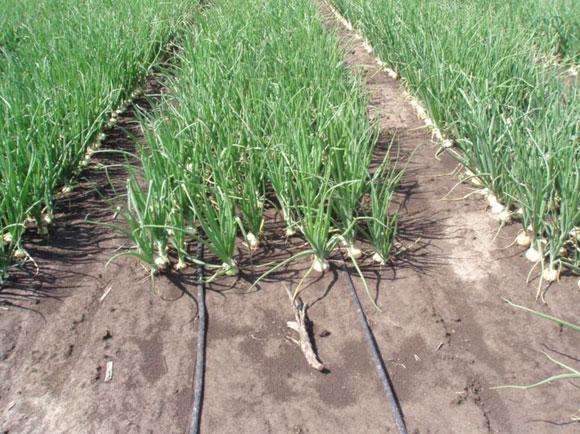
Shade Nets are affordable alternatives for greenhouse farming. With a shade house, you can grow crops all round the year without worry of drought impact. You can maximize production of idle land with less water available by irrigation with drip irrigation kit.
The shade effect will reduce evaporation and thus irrigation frequency is reduced.
Shade Net Installation | Shade House Construction by Faulu Irrigation LTD
Our commitment to offering reliable shade nets extends to construction of quality shade net houses. We ensure our clients get value for their money by installing the net properly to gain value afterwards.
Our team offers guidance on the right net for your crops and region. We conduct installation at affordable costs upon request.
Type of Shade Net Material in Kenya
Shade nets are designed from two different fabrics, Knitted or woven polyethylene material.
Both provide shading effect but have varying applications due to their design.
- Knitted shade nets are popular for agriculture because they allow some light and maximum airflow.
- Woven Shade nets have high shading effect thus ideal for car parks, residential fences and shades.
How to Choose the Right Shade Nets for Agriculture
- Consider the crop sunlight requirements – learn the sunlight needs of the crops you want to grow before buying a shade net.
- Determine your farm size – you have to know the size of area you want to cover with shade net. Helps determine the right size of net to build a reliable shade house.
- Ensure the net is UV protected – to be sure the shade net will last long, it should be UV treated. The manufacturer’s specifications should state so.
- Consider the supplier’s reputation – buy from suppliers with reliable shade net brands.
- Match the shade net to climate of your region – for hot regions, you may need a high sunlight filtration net.
Agricultural Purpose of Different Shade Net Percentage
- 35% shade net – lowest level net that blocks the least amount of sunlight. Designed for growing tomato, cabbage, capsicum, kales and other crops in hot regions.
- 55% shade net – blocks moderate amount of sunlight. Good for spinach, vegetable seedlings, coffee and other vegetables.
- 75% shade net – blocks high percentage of sunlight and only allows 25%. Suitable for herbs, seedlings as well, and cut flowers.
- 90% shade net – Highest density shade net with highest sunlight filtration. Only allows 10 percent sunlight and is good for ferns, oregano, mint, basil, roses, lilies and other flowers.
Purpose of Shade Nets in Agriculture
Shade nets are vital in agriculture as they help regulate temperature for production of:
- Capsicum – in greenhouse growing capsicum, shade nets can be used to reduce heat.
- Tomato – a shade house or greenhouse with a net allows for high tomato production.
- Vegetables – you can grow kales, spinach, Kunde, cabbage and traditional vegetables in a shade house.
- Herbs – shade nets provide the shading effect for growing herbs such as oregano, basil, mint and cilantro.
- Flowers – Cut flowers, pyrethrum, roses and other horticultural plants.
- Azolla – shade nets are also used to provide shade for azolla growth.
Other Uses of Shade Nets Beyond Agriculture
- Fencing Compounds – shade nets are applicable as residential fences in estates. Enhances privacy and prevents trespassing.
- Livestock farming – can also be used in dairy farms and poultry farming.
- Pond Water Conservation – woven shade nets can be used to cover fish ponds and water ponds. They prevent evaporation and block debris from polluting the water.
- Safety nets – in construction of tall buildings, shade nets act as safety nets.
Frequently Asked Questions
1. What is the cost of shade nets in Kenya?
KES 13,000 – KES 36,000.
2. What is the price of shade net per meter?
KES 65 – KES 180.
3. What is the purpose of shade net?
To regulate sunlight to create optimal growing conditions of vegetables and flowers.
4. Which shade net is best?
It depends on temperature requirements
5. What color shade net is best for plants?
All work best. You can use black or green shade net.
6. Will plants can I grow under shade nets?
Vegetables, herbs, flowers and Seedlings
7. What is the lifespan of shade net?
5 – 8 years.
8. What does 90% shade cloth mean?
It means only 10 % sunlight reaches crops.
9. What size shade cloth do I need?
It depends on the size of crop field.
10.Where to Buy Shade Net in Nairobi?
Faulu Irrigation LTD.
Leave a Reply