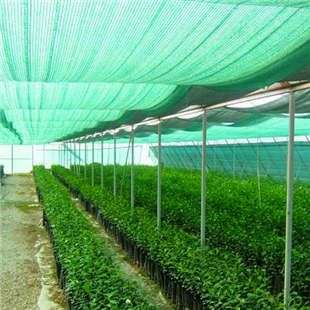
Best Shade Net Prices in Kenya are by Faulu Irrigation LTD, from KES 13,000 – KES 36,000 per roll. Quality Shade nets in Kenya are available in 35%, 55%, 75% and 90% sunlight filtration levels. Shade net filtration levels are the types of shade nets which represent how much sunlight is blocked.
To buy quality Shade Nets in Kenya, Consult Faulu Irrigation LTD.
Call 0717120401
Quick Takeaways
- Shade Nets are ideal for most vegetables and nurseries.
- Shade net Prices in Kenya fall between KES 65 – KES 180 per square meter.
- Available in filtration levels of 35%, 55%, 75% and 90%.
- Due to UV treated nature, Shade Net fabric can last for 5 – 8 years.
- Shade nets can reduce water loss by up to 50%.
- Low shade Net filtration fabric is used for vegetables and fruits.
- High Shade net filtration fabric is ideal for seedlings, herbs and shade loving crops.
Shade Net Prices in Kenya 2026
| Shade Percentage | Cost Per Square Meter |
| 35% | KES 65 |
| 55% | KES 100 |
| 75% | KES 130 |
| 90% | KES 180 |
Shade Nets for Agriculture in Kenya
We have Knitted HDPE shade Nets popularly used in agriculture for crop production. Shade net breathable design optimizes growing conditions by reducing heat stress. Soil organic matter as well remains safe and accessible to plants.
It also prevents excessive water loss by reducing evaporation.
By using shade nets, you can reduce water wastage and cut down cost of irrigation. In addition, shade nets allows for continuous crop farming throughout the year.
Shade Net Specifications
- HDPE fabric
- UV stabilized Material
- Filtration of 35%, 55%, 75%, and 90% fabric.
- 4 x 50 m roll
- Black or green colour.
Importance of Shade Nets in Agriculture
Shade nets are essential for cultivation of vegetables, fruits, flowers and seedlings. The shade net fabric reduces sunlight intensity and protect crops from sunlight shock.
Rainfall patterns are unpredictable thus shade nets are reliable alternatives for farming during the dry season.
Shade Net Percentage: What Does Shade Percentage Mean?
Shade percentage indicates the amount of sunlight blocked.
For example:
- 55% shade net blocks slightly more than half of the sunlight rays.
- 75% shade net blocks three-quarters
- 90% shade net blocks almost all direct sunlight
Choosing the wrong percentage can reduce yields. Too much shade may limit photosynthesis, while too little protection exposes crops to heat stress.
35% Shade Nets
A 35% shade net allows significant sunlight penetration.
It is best for seedlings, fruit seedlings, and growing vegetables in the open field.
Farmers in cold areas use lower shade net percentages to maintain optimal growth rates
55% Shade Nets
Most popular shade net used for vegetable seedlings, leafy greens and other crops.
75% Shade Nets
Ideal for sensitive crops such as flowers, herbs, seedlings, and Azolla
90% Shade Nets
Shade net material that works perfect for high shade requirement crops. It is often used for cultivation of herbs, ferns, oregano, mint, lilies, cut flowers, mushrooms and azolla.
Can also be used in car parks, gardens shades, and privacy fences.
Benefits of Shade Nets in Farming
- Increases Crop Yield – due to optimal growing conditons, the crop yield is high.
- High Seedling Survival Rate – due to low sunlight penetration, seedlings are safe from sunlight shocks.
- Low water wastage – shade netting cuts down evaporation thus reduces the irrigation rate.
- High quality yield – because of efficient growing conditions, the yield is of high quality.
- Year Round Production – you can grow crops at any time of the year.
Shade Houses vs Open Field Farming
Shade houses offer:
- Better crop uniformity
- Higher marketable yields
- Reduced pest pressure
- Improved irrigation efficiency
While initial investment is higher, many farmers recover costs within one or two growing seasons when producing high-value crops.
Factors Affecting Shade Net Prices in Kenya
- Material Quality: Premium UV-treated HDPE nets cost more but last longer.
- Shade Percentage: Higher densities require more material, increasing prices.
- Net Weight: Heavy-duty shade nets cost high due to high durability.
How Long Do Shade Nets Last?
Quality UV-treated shade nets last for 5 – 8 years.
How to Choose the Best Shade Nets in Kenya
Consider the factors below when buying shade nets.
Crop Type
Different crops require different shade levels.
Climate
Hotter regions need greater protection.
Budget
Avoid selecting solely on price.
UV Treatment
Always prioritize UV stabilization for long-term value.
Installation Tips for Maximum Performance
- Maintain proper tension
- Use strong support structures
- Allow adequate airflow
- Raise nets above crop canopy
Where to Buy Shade Nets in Kenya
Faulu Irrigation LTD.
Frequently Asked Questions
1. How Much does shade nets cost per square meter?
KES 65 – KES 180.
2. Which shade net is best for vegetable farming?
55% shade net is ideal for most vegetable nurseries and leafy greens.
3. How long do UV-treated shade nets last?
5 years.
4. What material is used to make shade nets?
HDPE material.
5. Can shade nets reduce water use?
Shade nets reduce evaporation and water loss
6. Are shade nets suitable for greenhouses?
Yes. Greenhouse shade nets help regulate internal temperatures and improve crop quality.
7. What shade percentage is best for seedlings?
55% shade net
8. Can shade nets protect against pests?
Some agricu help deter birds and larger insect pests.
9. Do shade nets work in hot regions?
Yes. They are particularly effective in reducing heat stress in arid and semi-arid areas.
10. Where can I buy shade nets for sale in Kenya?
Faulu Irrigation LTD.
Leave a Reply