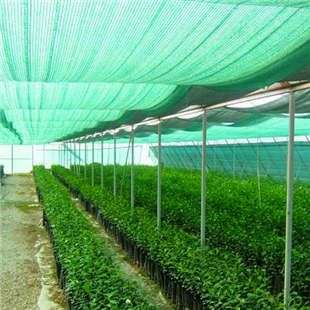
200 square meter Shade Net Roll Prices in Kenya ranges between KES 12,500 – KES 35,000. Shade Net Prices varies with the sunlight filtration levels available in 35%, 55%, 75% and 90%.Shade Nets are utilized as crop protective fabric in agriculture because they prevent sunlight shock and evaporation. Top quality high UV resistant shade net rolls are available at Faulu Irrigation LTD at affordable prices.
Call 0717120401
Quick Takeaways
- Shade net roll prices in Kenya range from KES 12,500 to KES 35,000.
- Shade nets are in rolls of 35%, 55%, 75%, and 90% filtration levels.
- Quality shade Net rolls are made of UV treated fabric.
- Shade Nets have a lifespan of 5 years.
- Wide range of crops have different shade requirements.
- Buy Quality Shade Nets from Faulu Irrigation LTD.
Shade Net Rolls for Sale in Kenya
Best UV treated shade net rolls of 4 x 50 m are in stock and cost around KES 12,500 – KES 35,000 per roll.
Shade Nets are used to regulate temperature and light for growth of vegetables, seedlings, flowers and herbs. The fabric for making shade net is a fabric of high density polyethylene compound. For that reason it can last for a long time while in use in outside conditions.
Shade Net Roll Prices in Kenya
| Shade Percentage | Roll Size(Square meter) | Price Range (KES) |
| 30% | 200 | KES 12,500 |
| 55% | 200 | KES 18,000 |
| 75% | 200 | KES 23,500 |
| 90% | 200 | KES 34,000 |
Specifications of Shade Net Roll
Understanding specifications helps farmers avoid purchasing unsuitable products.
- Shade Net Roll dimension: 4 m x 50 m
- Material : UV stabilized fabric.
- Lifespan: 5 years.
Types of Shade Net Roll in Kenya
35% Shade Net
Allow high sunlight penetration and are ideal for crops requiring high light intensity.
55% Shade Net
Allows nearly half or 45 percent of sunlight. Best for vegetables and tree seedlings.
75% Shade Nets
Has a high sunlight filtration and only allows 25% in. Used to grow herbs, vegetable seedlings and some flowers.
90% Shade Nets
90% shade net provides heavy sunlight filtration effect. For growing shade loving herbs and flowers.
Shade Net Roll Requirements for Different Crops
Vegetable Seedlings
Tomato, cabbage, kales, spinach and other vegetable seedlings.
Requires 35% or 55% shade net.
Seedlings are highly sensitive to heat stress, making moderate shading essential.
Coffee Seedlings
Coffee seedlings performs well under 55% shade nets.
Tree Seedlings
Wide range of tree seedlings including indigenous and non-native varieties such as cypress do well in 55% seedlings as well.
Ornamental Plants
Use a 75 % shade net.
Flowers
Flower varieties including cut flowers, hibiscus, lilies and roses require 90 % shade nets.
Herbs
Includes basil, cilantro, oregano, ferns, chives, and thyme. A 90% or 75 % shade net is recommended.
Vegetables
Leafy greens, tomato, peppers, cucumber and broccoli. Thrives under 35% shade net.
Benefits of Using Shade Nets
Temperature Regulation
Shade nets reduce heat accumulation and create a cooler growing environment.
Reduced Water Consumption
Lower evaporation rates help conserve irrigation water.
Better Seedling Survival
Young plants experience less stress and transplant shock.
Protection Against Harsh Weather
Shade nets shield crops from harsh sunlight, wind effect and heavy rains.
Criteria for Choosing Shade Nets
- Crop Sunlight Requirements: Different crops have varying sunlight needs.
- UV Protection: Always choose UV-treated nets for longer lifespan.
- Shade Percentage: Match shading levels with crop requirements.
- Material Quality: HDPE nets generally offer superior durability.
- Color Selection: choose between black and green shade net. Black shade net is good for crops with low light needs.
How to Calculate Shade Net Requirements
Step 1: Measure Area
Involves taking measurements of the length and width of the land.
For instance a 20m × 10m farm equivalent to 200 square meters.
Step 2: Add Installation Allowance
Include 5%-10% extra material for overlaps and fastening.
Step 3: Select Appropriate Width
Choosing the correct roll width minimizes wastage. Our shade net rolls come in width of 4 m
How to Use Shade Net Rolls Effectively
- Maintain adequate tension
- Avoid excessive stretching
- Use strong support poles to hold the net.
- Inspect fastening points regularly
How to Set Up a Shade Net House
- Site Selection: Choose a well-drained area with good accessibility.
- Construct the Frame: You can use treated timber or galvanized steel pipes.
- Install Channel Lock profiles: attach channel lock steel profiles for attaching shade nets to the structure.
- Attach Shade Net: secure the net onto the structure using profiles and wires.
Benefits of Shade Net Farming
Shade net farming can improve profitability through:
- High Rate of Seedling Maturity – prevents scorching sunlight effect thus survival of seedlings.
- Reduces evaporation – low sunlight means low evaporation thus no wilting of plants.
- Allows for year-round Crop farming – you can grow crops even at dry seasons using less water.
- Protects crops from hailstorms – reduces destructive effect of heavy rains.
- Low pest activity – due to better aeration and crop spacing, pesticide effect is less.
- Low water use – by minimizing evaporation, less water is needed for irrigation.
Where to Buy Shade Net Roll in Nairobi
Faulu Irrigation LTD sells quality Shade Net Rolls in Kenya.
We have affordable prices in Kenya.
Frequently Asked Questions
1. What is the cost of shade net rolls in Kenya?
KES 12,500 – KES 37,000.
2. Which shade net is best for vegetable seedlings?
A 75% shade net would be best.
3. How long do shade nets last?
5 years.
4. Can shade nets reduce irrigation costs?
Yes. They reduce evaporation and help conserve soil moisture.
5. What is the best shade percentage for coffee seedlings?
Coffee seedlings perform well under 50%-55% shade.
6. Are waterproof shade nets available in Kenya?
Yes. Waterproof shade nets are commonly used for car shades and protective structures.
7. What material is used to make shade nets?
Most are made from UV-stabilized HDPE polyethylene.
8. How do I calculate shade net requirements?
Measure the area and add 5%-10% extra material for overlaps and installation.
9. Can shade nets protect against birds?
Yes. They provide a physical barrier against birds and some pests.
10. Where can I buy shade net rolls in Nairobi?
Faulu Irrigation LTD.
Leave a Reply