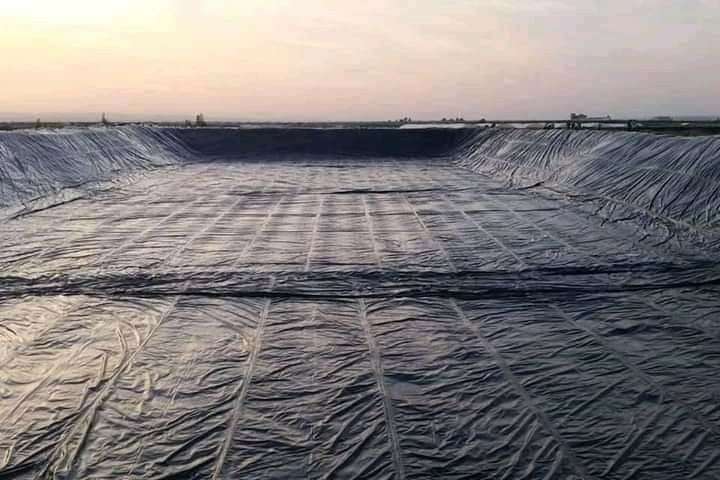
Dam Liners are important polyethylene mats that retain water for household and agricultural use. Dam Liners promote water storage for more than 20 years. In this guide, we explore the benefits of dam liners in Kenya, their specifications and quality dam liner selection guide.
Cost and Sizes of Dam Liners in Kenya
High Quality Dam Liners cost between $ 2 – $ 3.5 per square meter depending on dam liner thickness. The available dam liner rolls come in gauges measuring 300 micron, 500 micron, 750 micron and 1000 microns. Buy quality dam liners in Kenya from Faulu Irrigation LTD and get professional installation at low cost.
Call 0717120401
Takeaway Ideas
- Dam liners reduce water loss by up to 95% by preventing seepage into the soil.
- UV treated Dam Liners are essential for reliable water storage.
- Properly installed liners can last 25 – 50 years with routine maintenance.
- Lined water reservoirs improve irrigation reliability during dry seasons.
- Investing in a quality liner is important to ensure low cost and sustainable water access.
- To select the right dam liner, assess the pond size, soil type and intended use of the liner.
Understanding the Use of Dam Liners
Dam Liners are required for use in soils with high porosity that makes water retention difficult. Without a dam liner, water seeps through porous soil especially sand, making agriculture or domestic water access unsustainable.
Types of and Benefits of Dam Liners in Kenya
Different farming projects require different liner materials. Selecting the right type depends on budget, terrain, intended use, and expected lifespan.
HDPE (High-Density Polyethylene) Liners
HDPE dam liner is the most common type in Kenya due to its excellent durability and affordability. It is resistant to UV radiation, chemicals, puncture, and harsh weather conditions, making it best for large dams. Also best for critical applications such as mining and sewage waste handling.
Benefits of HDPE Dam Liners
- Long lifespan (15–25 years)
- Excellent UV resistance
- Low maintenance
- Suitable for large dams
- High puncture resistance
PVC (Polyvinyl Chloride) Liners
PVC liners are softer and more flexible than HDPE, making installation easier on irregularly shaped ponds or reservoirs.
They are commonly used in:
- Fish ponds
- Decorative ponds
- Small irrigation projects
Although flexible, PVC generally has a shorter lifespan than HDPE under prolonged exposure to intense sunlight.
LLDPE (Linear Low-Density Polyethylene)
LLDPE combines flexibility with good durability. It performs well where the ground has uneven surfaces or where additional flexibility is required.
Top 10 Benefits of Dam Liners in Kenya
1. Prevents Water Seepage
The main role of dam liners is to prevent water leakage to the soil. Dam in regions with sandy or low water retentive must be covered with dam liners to stop water loss.
A properly installed liner creates an impermeable barrier that keeps harvested rainwater available for irrigation and livestock.
2. Boost irrigation farming
Reliable water access ensures farmers can grow at any time in a year without having to wait for rainfall. This makes production continuous and enhances food security.
3. Increases Crop Yields
Constant water access lowers plant shock when rainfall fails thus leading to high yield.
4. Lowers the cost of water access
Collecting water using dam liners reduces the cost of buying water for home or agricultural needs. By harvesting rain water and storing in a lined pond, you will have a reliable pool of water for long time use.
5. Supports Livestock farming
Dam liners also enhance livestock rearing as they store water for livestock use as well. Nowadays, round tanks made of stainless steel covered with dam liners help store water for animal and farm use.
6. Fishpond Lining
Lined ponds provide stable water levels, making aquaculture more productive. Farmers can diversify their income by integrating fish farming with crop and livestock production.
7. Enhances Climate Resilience
As climate variability increases, storing water during rainy seasons helps farmers prepare for droughts and irregular rainfall. This resilience can make the difference between a successful harvest and crop failure.
8. Safeguards the environment and soil
Use of dam liners does not pollute the environment as they are stable non-corrosive materials. In addition, dam liners lowers the chance of soil erosion around the ponds.
Cost Benefits of Dam Liners in Agriculture
Although installing dam liners requires an initial investment, the long-term financial benefits often outweigh the upfront cost. Farmers who rely on rainwater harvesting can significantly reduce spending on water trucking, fuel for pumping, and emergency water purchases during dry seasons. A properly lined reservoir also minimizes water wastage, allowing every harvested drop to be used productively.
Dam Liner Applications in Kenya
- Used in Irrigation reservoirs
- For concrete and artificial steel tank lining
- Fishpond water storage
- Industrial wastewater containment and treatment plants.
- Industrial mining activities, such as handling the mineral ores.
- In septic tanks to prevent sewage from underground seepage and water pollution.
- Can also be used in construction sites.
How to Know the Right Dam Liner for Your Project
Consider the Size of Your Reservoir
Large reservoirs require high gauge liner, let’s say 1 mm to withstand water pressure. On the other hand, small ponds can use a smaller gauge.
Evaluate Your Soil Type
Rocky and uneven ground surface increases the risk of punctures. In such conditions, installing a protective geotextile underlay beneath the liner helps improve durability.
Determine the Intended Use
Different applications have different dam liner gauge. Heavy duty applications such as mining requires a high thickness liner. Whether it is for irrigation, fish pond or mining activities you should ensure you get a durable liner.
Dam Liner Installation Best Practices
- Excavate the reservoir to the planned dimensions.
- Remove sharp stones, roots, and debris.
- Compact and smooth the soil surface.
- Install a protective geotextile where necessary.
- Carefully unfold the liner without dragging it across rough ground.
- Anchor the liner securely in perimeter trenches.
- Fill the reservoir gradually while inspecting for wrinkles or movement.
Precautions When Handling and Using Dam Liners
- Avoid walking on liners with sharp footwear.
- Keep livestock away during installation.
- Prevent machinery from driving over exposed liners.
- Repair minor punctures immediately using welding machine
- Maintain recommended water levels to reduce unnecessary stress.
Buy quality Dam Liners in Kenya
You can buy quality dam liners from Faulu Irrigation LTD. We have the best price for dam liner rolls which come in 0.3 mm, 0.5 mm, 0.75mm and 1 mm thickness sizes.
Contact us to get a quotation on time.
Call 0717120401
Leave a Reply