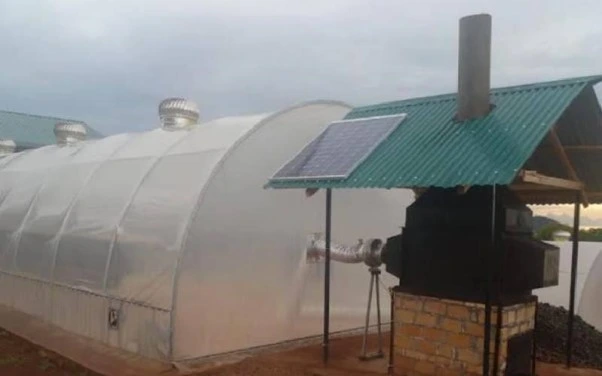
Solar dryers are available in sizes of 2 x 2 x 2 m, 3 x 3 x 2 m, 8 x 15 m and 8 x 30 m. Solar dryers cost between KES 100,000 – KES 1,000,000. Faulu Irrigation LTD specializes in wide range of solar dryers including simple tunnel and hybrid dryers.
Call 0717120401
Why Solar Dryers are Popular in Kenya
Post-harvest losses remain one of the biggest challenges for farmers in Kenya. Fruits, vegetables, herbs, fish, and grains often spoil before reaching the market, especially during rainy seasons. That is why many farmers are now investing in solar dryers for sale in Kenya to preserve produce and improve quality.
Quick Takeaways
- Solar dryers reduce post-harvest losses by protecting produce from rain, dust, and pests.
- Prices in Kenya range from KSh 15,000 to over KSh 1 million depending on size and technology.
- The most common types are direct, indirect, mixed-mode, and hybrid solar dryers.
- Solar dryers are used to dry fruits, vegetables, herbs, fish, grains, coffee, and pyrethrum.
- Indirect dryers preserve color and nutrients better than direct dryers.
- Hybrid systems work even during cloudy weather or rainy seasons.
- Proper installation and ventilation greatly improve drying efficiency.
What Are Solar Dryers?
Solar dryers are enclosed systems that use sunlight to remove water from agricultural produce. Unlike traditional open sun drying, solar dryers protect food from dust, insects, birds, and unexpected rain.
Why Farmers in Kenya Need Solar Dryers
Reducing Post-Harvest Losses
Kenyan farmers lose significant amounts of produce after harvesting due to poor preservation methods. Tomatoes rot, leafy vegetables wilt, and fruits ferment quickly during moist weather. Solar dryers help farmers extend shelf life and stabilize market supply.
Farmers using solar dryers also gain better bargaining power because they are no longer forced to sell produce immediately after harvest.
Improving Product Quality
Traditional sun drying exposes food to dust, insects, animals and mold.
Solar food dryers create controlled conditions for drying harvested products. Dryed food retains color, nutrients and taste
Types of Solar Dryers in Kenya
Direct Solar Dryers
Direct solar dryers expose produce directly to sunlight through a transparent cover. They are simple, affordable, and suitable for small-scale farmers.
Indirect Solar Dryers
Indirect dryers heat air separately before passing it into the drying chamber. Produce never receives direct sunlight.
Hybrid Solar Dryers
Hybrid dryers combine solar energy with biomass or electricity backup systems.
They are highly efficient and faster than indirect dryers. Drying can take 24 hours minimum.
Although expensive, they provide reliable year-round drying.
Factors Affecting Solar Dryer Prices
Several factors influence the final installation cost:
- Size
Larger dryers require more framing materials and trays.
- Materials Used
Metallic frames cost more than wooden structures but last longer.
- Drying Technology
Indirect and hybrid systems are more expensive due to advanced airflow systems.
- Location
Transport costs increase prices in remote counties.
- Additional Features
Optional additions include:
- Solar-powered fans
- Moisture monitoring
- Biomass backup heating
Solar Dryer Installation in Kenya
Where to Install a Solar Dryer
A good place a solar dryer should:
- Receive maximum sunlight
- Have proper drainage
- Be protected from strong winds
How to install Solar Dryers
- Site preparation
- Foundation construction
- Attaching the frame
- Tray installation
- Ventilation setup
- Testing and training
What Can You Dry Using a Solar Dryer?
- Fruits: Mangoes, pineapples, bananas and pawpaw.
- Vegetables: Kales, Spinach, Managu and Cowpea leaves
- Herbs: moringa, Mint, Lemon grass and basil.
- Fish and Meat
- Coffee
- Cocoa
Coffee cooperatives increasingly use solar dryers to improve bean quality and reduce moisture inconsistencies.
Benefits of Solar Dryers in Kenya
- Solar dryers lowers the risk of food contamination.
- Low post harvest losses. Crop harvests are dehydrated to retain quality and value.
- Long shelf life of food substances. Drying reduces the chance of rot and damage.
- Solar dryers are suitable for drying wide variety of products. Either fruits, grains, meat, fish and vegetables.
- Solar dryers are economical, they use free solar energy to dry food.
- Environment safety due to zero chemical emissions. Carbon emissions can be controlled.
- High drying efficiency. Solar dryers are faster and more convenient than sun drying.
Maintenance Tips for Solar Dryers
- Clean trays regularly
- Replace damaged polythene
- Lubricate hinges
- Inspect ventilation systems
NB: Avoid Overloading the shelves to ensure high drying efficiency.
Frequently Asked Questions
1. What is the best solar dryer for vegetables in Kenya?
Indirect solar dryers are best because they preserve color and nutrients.
2. How much do solar dryers cost in Kenya?
KES 100,000 – KES 1 million.
3. Can solar dryers work during rainy seasons?
Yes. Hybrid solar dryers continue drying using biomass or electric backup.
4. What crops can I dry using a solar dryer?
Fruits, vegetables, herbs, fish, grains, coffee, and cocoa.
5. How do I choose a Solar Dryer?
Consider the drying capacity, intended use and budget.
6. What are the three types of solar dryers?
Direct dryers, indirect dryers and Hybrid Solar Dryers
7. How long does drying take?
1–3 days It varies with Crop type.
8. Do solar dryers require electricity?
Most basic dryers do not require electricity.
9. How long do solar dryers last?
10–20 years.
10. Where to Buy Solar Dryers in Kenya?
Faulu Irrigation LTD.
Leave a Reply