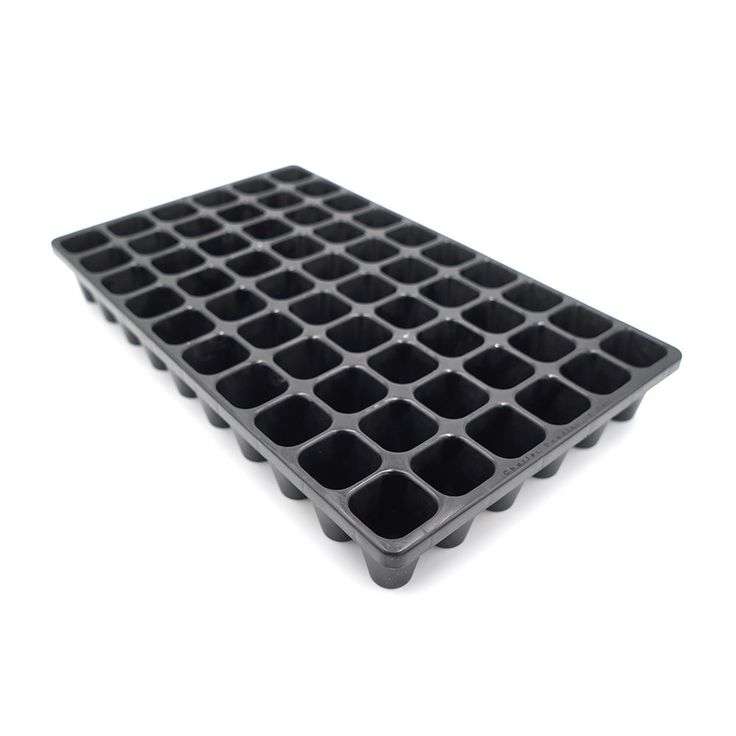
Propagation Trays in Kenya are in stock at Faulu Irrigation LTD. We have high quality Seedling propagation trays with cell holes of 50, 72, 128, 200 and 288 at KES 150 each. Our trays are best for raising wide range of tomato, kales, spinach, capsicum, fruit and other wide range of seedlings.
Call 0717120401
Propagation Trays in Kenya
A propagation tray is designed with holes that hold soil and allow individual seedlings to grow. Seedlings germinate and mature faster in separate cells due to uniform nutrients, light and water access.
Propagation in trays enhances 100 % germination and growth. Seedling trays protects seedlings from erosion, soil infections or transplanting shock.
Quick Takeaways
- Propagation trays improve seed germination and seedling quality.
- Propagation Trays in Kenya Cost KES 150 each.
- Seedling Propagation trays are in cell sizes of 50, 72, 128, 200, and 288.
- Coco peat is the preferred growing medium for tray propagation.
- Tomatoes, onions, cabbages, peppers, and tree seedlings perform exceptionally well in trays.
- UV-treated trays last significantly longer than ordinary plastic trays.
- Quality Seedling Propagation trays are Sold at Faulu Irrigation LTD.
Why Propagation Trays are Essential in Agriculture
Most farmers in Kenya especially vegetable farmers are shifting from Seedling beds to propagation trays. Seedling trays are essential due to:
- Improved germination rates
- Better disease control
- Efficient space utilization
- Reduced labour costs
- Easier seedling transportation
Seedling trays enhances raising of seedlings in greenhouses and other protected areas.
Benefits of Using Propagation Trays
Higher Germination Rates
Each seed receives optimal moisture, aeration, and space.
Reduced Transplant Shock
Seedlings are transplanted with intact root systems.
Better Root Development
Roots develop downward instead of intertwining.
Lower Seed Wastage
Expensive hybrid seeds are used more efficiently.
Improved Disease Management
Seedlings are not grown directly on infected soil but on sterilized media like coco peat. This reduces the risk of soil-borne diseases.
Types of Propagation Trays in Kenya
Plastic Propagation Trays
Most common trays for propagation of seedlings in Kenya. They are affordable, easy to use, durable and reusable.
Styrofoam Propagation Trays
Light and durable trays with 336 holes for propagation. Styrofoam trays allow for excellent insulation and are ideal for delicate seedlings.
Propagation Tray Sizes and Cell Holes
The number of cells directly affects root space and seedling duration.
| Tray Cells | Best Use |
| 28 Cells | Tree seedlings |
| 50 Cells | Tomatoes, peppers |
| 72 Cells | Tomatoes, cabbage |
| 128 Cells | Vegetables |
| 162 Cells | Lettuce, herbs |
| 200 Cells | Onions |
| 288 Cells | Small-seeded crops |
Best Crop Seedlings to Propagate Using Seedling Trays
Tomatoes
Require strong root systems before transplanting.
Onions
Perform exceptionally well in 200-cell trays.
Cabbage
Uniform growth improves field establishment.
Capsicum
Benefits from protected nursery conditions.
Watermelon
Can be raised successfully in larger cells.
Tree Seedlings
Require deep-cell trays for root development.
Recommended Crops by Tray Size
| Cell Size | Recommended Crops |
| 28–50 | Tree seedlings, watermelon |
| 72 | Tomatoes, peppers |
| 128 | Cabbage, kale |
| 200 | Onions |
| 288 | Lettuce, herbs |
How to Choose the Right Tray Size
Consider:
- Type of Crop Seedling
- Nursery duration
- Root development needs
- Greenhouse space
- Budget
For tomatoes, 50–72 cell trays often perform best. For onions, 200-cell trays maximize space efficiency.
How to Use Propagation Trays Correctly
Step 1: Fill With Coco Peat
Use sterilized growing media.
Step 2: Sow Seeds
Plant at recommended depths.
Step 3: Water Carefully
Maintain moisture without waterlogging.
Step 4: Provide Adequate Light
Ensure sufficient sunlight or greenhouse lighting.
Step 5: Harden Seedlings
Gradually expose seedlings to outdoor conditions before transplanting.
Coco Peat vs Soil in Propagation Trays
Coco Peat
- Excellent aeration
- Sterile
- Good water retention
- Reduced disease pressure
Soil
- Readily available
- Low cost
However, ordinary soil often contains weed seeds, pathogens, and inconsistent nutrient levels.
For commercial nursery farming in Kenya, coco peat remains the preferred propagation medium.
Where to Buy Propagation Trays in Kenya
Faulu Irrigation LTD.
We are a reliable dealer and supplier of quality propagation trays in Kenya.
Frequently Asked Questions
1. How much is a seedling tray in Kenya?
KES 150.
2. Which propagation tray is best for tomatoes?
72-cell tray.
3. Which tray is best for onions?
A 200-cell tray.
4. Can I reuse propagation trays?
Yes. Quality trays can be reused for multiple seasons if cleaned and disinfected properly.
5. Are UV-treated trays worth buying?
Yes. They are durable and reusable.
6. What growing media should I use in propagation trays?
Coco peat is widely recommended due to its sterility, moisture retention, and aeration properties.
7. How often should I water seedlings?
Water according to weather conditions and media moisture levels.
8. Can I use garden soil?
Yes, but is should be of the right PH and free from diseases. Mix with cocopeat.
9. Which types of crop seedlings to grow in propagation trays?
Tomatoes, onions, cabbage, peppers, herbs, flowers, and tree seedlings.
10. Where can I buy propagation trays in Nairobi?
Faulu Irrigation LTD.
Leave a Reply