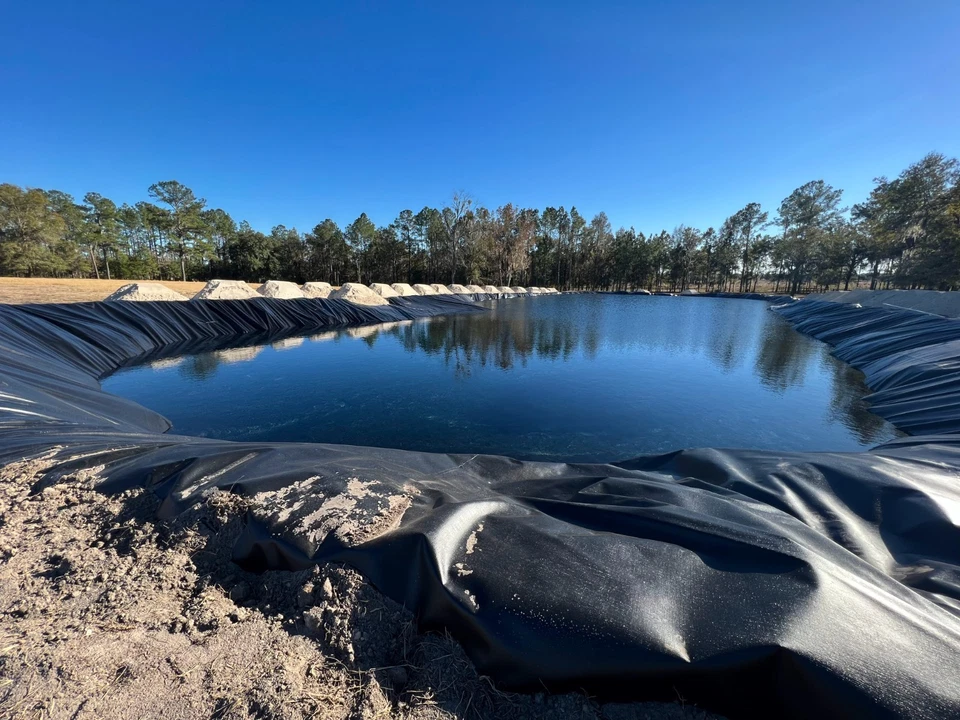
Dam Liners for sale in Kenya are available at KES 190 – KES 430 per square meter at Faulu Irrigation LTD. Dam liners for Sale in sizes of 0.3mm, 0.5 mm. 0.75 mm and 1 mm. We have a team of technicians rich in experience with installation and repairs of dam liners project. From small water pans to large community dams, we fulfil your desire of a water secure future.
Call 0717120401
Dam Liner Prices in Kenya
Our dam Liner Prices in Kenya vary with thickness or gauge. The cost of dam liners in Kenya are listed below.
- 0.3mm – KES 190 per square meter
- 0.5 mm – KES 240 per square meter
- 0.75mm – KES 320 per square meter
- 1 mm – KES 410 per square meter.
Note: Prices are subject to change from time to time.
Dam Liners for Sale in Kenya
Dam Liners are strong waterproof plastic earth liners for keeping water levels constant in ponds, dams or concrete tanks. Because of their durable and ability to retain water, they are essential especially in areas with unreliable rainfall.
Common dam liners for sale in Kenya are manufactured from high density polyethylene material. It is of high gauge of 300 microns to 1000 microns.
Why Dam Liners Are Important
Kenya’s climate varies from arid and semi-arid regions to high rainfall zones. In dry areas especially, water conservation is critical for agriculture and livestock.
Water scarcity and unpredictable rainfall patterns have made efficient water storage a priority across Kenya. Dam liners have emerged as a reliable, cost-effective solution for farmers, institutions, and industries looking to conserve water.
Our dam liners are designed from quality UV treated HDPE materials. Ideal for handling irrigation, domestic and industrial water needs.
Benefits of Dam Liner Use in Kenya
Dam liners provide several key advantages:
1. Water Conservation
They significantly reduce seepage, ensuring stored water lasts longer.
2. Improved Agricultural Productivity
Reliable water supply supports irrigation, leading to better crop yields.
3. Cost-Effective Solution
Compared to concrete dams, liners are more affordable and quicker to install.
4. Environmental Protection
They prevent contamination of groundwater and reduce soil erosion.
Types of Dam Liners for Sale in Kenya
Choosing the right dam liner depends on your budget, soil type, and intended use. The most common options include:
HDPE Dam Liners
- Highly durable and UV resistant
- Ideal for large-scale water projects
- Long lifespan (10–20 years)
LDPE Dam Liners
- More flexible than HDPE
- Suitable for small to medium dams
- Easier to install on uneven surfaces
PVC Dam Liners
- Lightweight and flexible
- Good for temporary or smaller water storage systems
- Less durable compared to HDPE
Factors to Consider Before Installing Dam Liners
To get the best results, consider the following:
- Site Preparation – The ground should be smooth and free from sharp objects to prevent damage.
- Liner Thickness – Thicker liners offer better durability but come at a higher cost.
- UV Resistance – Given Kenya’s strong sunlight, UV-resistant materials are essential for longevity.
- Installation – Professional installation ensures proper sealing and reduces the risk of leaks.
Uses of Dam Liners in Kenya
Dam liners have many applications. The common ones include:
- Agriculture: Irrigation for crops such as vegetables, fruits, and cereals
- Livestock Farming: Reliable water supply for animals
- Fish Farming: Creation of fish ponds with controlled water levels
- Industrial Use: Storage of wastewater or process water
- Rainwater Harvesting: Collection and storage during rainy season
Dam Liner Maintenance Tips
Proper care extends the lifespan of your dam liner:
- Avoid walking on the liner with sharp objects
- Regularly inspect for tears or punctures
- Keep the surrounding area clean to prevent damage
- Ensure proper drainage around the dam
Leave a Reply