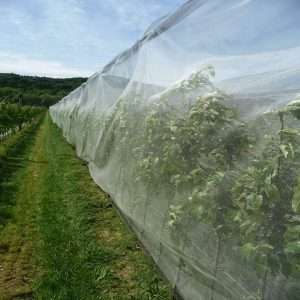
Anti-insect nets in Kenya are UV resistant fabric used to protect crops in greenhouses and open field from pest attack. Insect nets are between KES 80 – KES 120 per square meter. Anti-insect nets keep vegetables from aphids, whiteflies and leaf miners. If left unprotected, the pests damage leaves, stems and fruits causing low quality yield.
Engage with Faulu Irrigation LTD to buy quality Insect Nets.
Call 0717120401
Quick Takeaways
- Anti-insect nets range from KES 80 – KES 130 per square meter.
- Insect nets are in dimensions of 3m x 50m and 5.5m x 30m.
- Commonly insect nets last for 3 – 5 years.
- They are used to protect tomato, capsicum, cabbages, kales and cucumbers.
- The use of insect nets is a cheaper and environment friendly way to prevent pesticides.
- To ensure you get the right insect net, find a reputable dealer.
- High Quality insect nets are sold at Faulu Irrigation LTD.
Anti-Insect Nets for Sale in Kenya
Anti-insect nets are manufactured from UV treated mesh fabric. The fabric does not degrade when used on the open field.
Insect nets are of 25, 40 and 50 mesh all designed for specific pests. Tiny insects such as aphids and whiteflies require smaller mesh of 25 mesh.
Anti-Insect Net Prices in Kenya
| Insect Net Prices | Price Range (KES) |
| 2.5m × 50m | 13,000 – 15,000 |
| 3m × 50m | 13,500 – 16,000 |
| 5.5m × 30m | 15,000 – 17,500 |
Anti-Insect Net Specifications
- Mesh Size: available in 25 – 50 mesh.
- Material: HDPE UV resistant fabric
- Lifespan: 3 – 5 years.
- Fabric size: 2.5 x 50m, 3m x 50m and 5.5m x 30m.
How Insect Nets protect Crops
Insect nets are used make tall or small tunnel structures for vegetable farming. The net protect your crops from pest without polluting the soil or environment. Insect nets are recommended to reduce pesticide use and boost organic production.
Uses of Insect Nets in Agriculture
- Greenhouse farming – to cover ventilations in greenhouses. Keeps pest away and allow for air circulation.
- Vegetable farming – to protect wide variety of vegetables from aphids and whiteflies.
- Seedling production – insect net structures can also be used to cover seedling beds.
Why Anti-Insect Nets Are Becoming Popular in Kenya
Anti-insect nets lower reliance on pesticides by 80% and enhances quality yield required for export market.
Insect nets reduces pest activity on your crops making farming affordable by cutting down cost of pesticides.
Which Crops Require Anti-Insect Nets?
- Tomatoes
- Capsicum
- Kales
- Cabbage
- Spinach
- Lettuce
- Cucumbers
- Peas
- French beans
Target Insects Controlled by Anti-Insect Nets
- Whiteflies
- Aphids
- Thrips
- Leaf miners
- Flea beetles
- Moths
- Grasshoppers
- Locusts
Choosing the Right Mesh Size
40 Mesh is Suitable for:
- Whiteflies
- Aphids
- Leaf miners
50 Mesh is suitable for:
- Thrips
- Very small insects
- Export vegetable production
Factors to Consider Before Buying Anti-Insect Nets
- Crop Type: Different crops attract different pests.
- Pest Pressure: Areas with severe whitefly or thrips infestations require finer mesh.
- Budget: Consider lifetime value rather than upfront cost.
- Durability: Choose UV-treated products designed for tropical conditions.
- Supplier Reputation: Reliable suppliers offer warranties and technical support.
How to Install Anti-Insect Nets Correctly
- Measure the structure.
- Secure the frame.
- Stretch the net evenly.
- Fasten using profiles or wire systems.
- Seal all openings.
Common Mistakes Farmers Make
- Buying Cheap Nets: Low-quality nets degrade quickly.
- Ignoring Mesh Requirements: Incorrect mesh size leads to pest entry.
- Poor Maintenance: Damaged sections become entry points.
- Improper Ventilation: Overly dense netting without airflow planning may stress crops.
Advantages of Using Anti-Insect Nets
- Reduced Pesticide Use: Fewer sprays mean lower production costs.
- Improved Food Safety: Reduced chemical residues improve marketability.
- Higher Yields: Healthy plants produce more.
- Better Quality Produce: Fruits and vegetables remain cleaner and more attractive.
- Environmental Benefits: Less pesticide runoff protects ecosystems.
Return on Investment for Kenyan Farmers
Although installation requires initial capital, returns can be realized within one or two growing seasons through:
- Reduced pesticide purchases
- Improved yields
- Better produce quality
- Access to premium markets
Maintenance and Lifespan
To maximize lifespan:
- Inspect your insect net regularly.
- Repair tears immediately.
- Clean dust accumulation.
- Avoid dragging nets on rough surfaces.
- Store properly when not in use.
Where to Buy Anti-Insect Nets in Kenya
Faulu Irrigation LTD.
Frequently Asked Questions (FAQs)
1. How much are insect nets in Kenya?
KES 80 – KES 135.
2. Which mesh size is best for tomatoes?
A 40–50 mesh insect-proof net is generally recommended for tomato production.
3. How long do insect nets last?
3 – 5 years.
4. Can anti-insect nets replace pesticides completely?
No. They only reduce the use of pesticides.
5. Which crops require insect netting?
Tomatoes, peppers, cucumbers, strawberries, cabbage, and leafy vegetables.
6. What size mesh stops all insects?
50 mesh or higher.
7. Which shade net is best?
It depends on the size of insects to protect from.
8. What insects are kept away?
Whiteflies, aphids, and thrips.
9. How do I know if a net is UV-treated?
Request technical specifications from the supplier.
10. Where can I buy anti-insect nets in Kenya?
Faulu Irrigation LTD
Leave a Reply