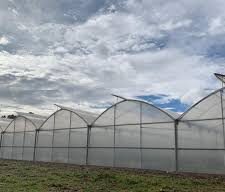
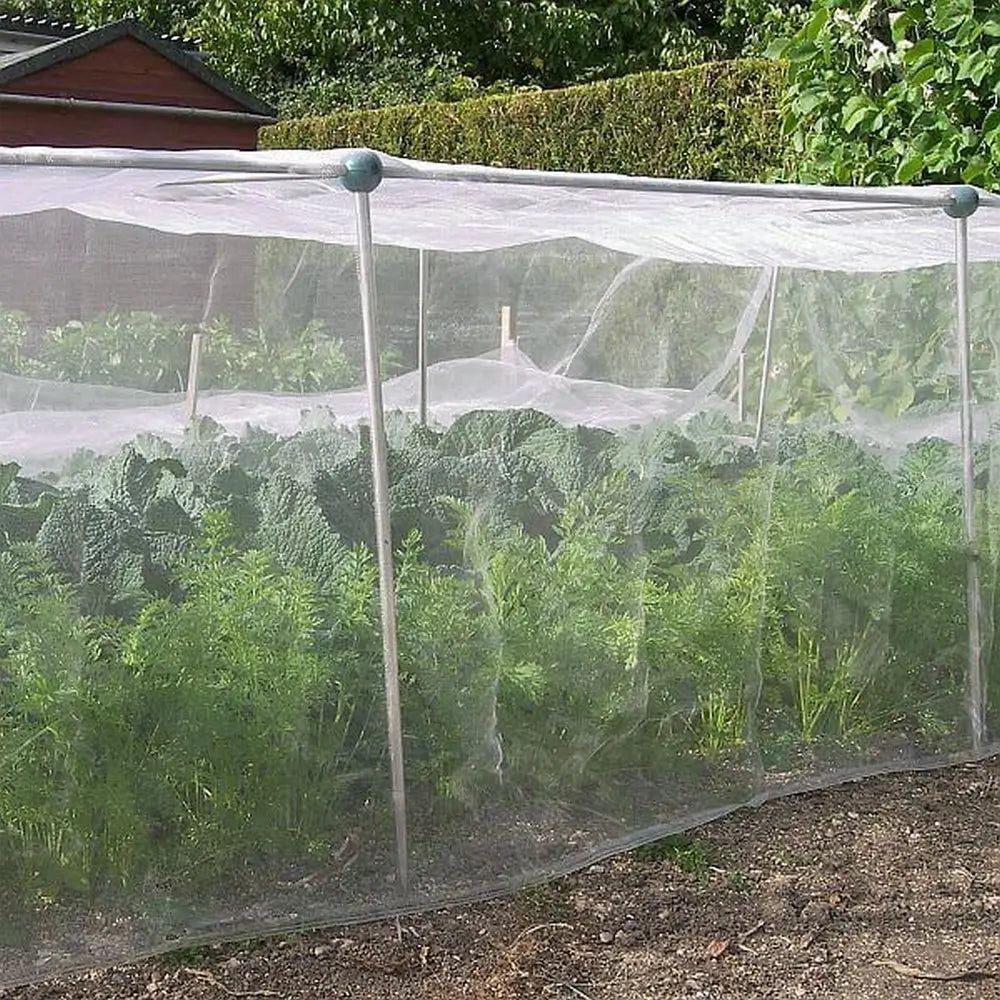
Greenhouse in Kenya range between KES 150,000 to KES 1,000,000 or more depending on the structure size and type. A greenhouse structure is used to grow high value plants such as tomato, capsicum, strawberry and flowers.
The structure is made of wooden or metallic structure with UV treated greenhouse polythene cover.
Greenhouse Prices in Kenya
The cost of a greenhouse in Kenya depends on it’s size and materials used for installation. Our greenhouse sizes and prices are:
| Greenhouse size |
Wooden Greenhouse |
Metallic Greenhouse |
| 120 square meters (8 x15m) |
KES 165,000 |
KES 260,000 |
| 192 square meters (8 x 24m |
KES 210,000 |
KES 300,000 |
| 240 square meters (8 x 30m) |
KES 300,000 |
KES 340,000 |
| 384 square meters (16 x 24m) |
KES 390,000 |
KES 630,000 |
| 480 square meters (16 x 30m) |
KES 550,000 |
KES 710,000 |
Greenhouse Construction In Kenya
Faulu Irrigation installs wooden and galvanized steel greenhouse in Kenya at lower market prices. We have standard sizes including 8 x 15 m, 8 x 24 m, 8 x 30 m, 16 x 30 m and 16 x 40m.
Call
0717120401
Types of Greenhouse in Kenya
Greenhouses vary according to materials used for construction and mode of operation. Our greenhouse structures include:
- Wooden Greenhouse – Wooden poles with 200 micron UV Polythene Sheet. An affordable greenhouse option for smallholder farmers.
- Metallic greenhouse – a greenhouse designed using galvanized steel frame and UV polythene sheet. Quite costly but are highly durable than a wooden one.
- IOT enable greenhouse – a greenhouse that uses intergrated sensors and controllers to monitor temperature, moisture and humidity. Automates watering and temperature control.
Comparison of Structure and Prices of Greenhouse in Kenya
| Greenhouse Type |
Structure |
Size (m) |
Cover Material |
Price Range (KSh) |
Ideal Use |
| Shade Net House |
Wood |
8×15 |
UV-stabilized ShadeNet |
120,000 – 150,000 |
Cool-loving crops (lettuce, herbs) |
| Wooden Greenhouse |
Treated wood |
8×15 |
UV Plastic (200µm) |
150,000 – 180,000 |
General vegetables, small farms |
| Metal Greenhouse |
Galv. steel frame |
8×15 |
UV Plastic |
230,000 – 290,000 |
High-value veg (tomatoes, capsicums) |
| Metal Greenhouse |
Galv. steel frame |
16×30 |
UV Plastic |
360,000 – 750,000 |
Commercial scale horticulture |
| Polycarbonate Greenhouse |
Galv. steel frame |
8×15 |
Polycarbonate panels |
500,000 – 650,000 |
Flowers, tropical fruits, long-term use |
Why a Greenhouse is Important in Modern Farming
CIimate change has led to low production in agricultural yield in Kenya due to low and inconsistent rainfall. To solve this challenge, most farmers have ventured into greenhouse farming known for well controlled growing.
A greenhouse is designed to meet the ideal temperature, light and humidity requirements for high production.
What are the Essential Greenhouse Materials in Kenya?
- Wooden Poles or galvanized steel frame
- UV treated 200 micron Greenhouse Polyethylene Sheet
- Tapping Screws
- Channel Lock Profiles and Wires.
- Insect Net
- Nails (for wooden greenhouse)
- Cement, Sand and Ballast.
What to Plant | Greenhouse Cultivated Crops in Kenya
Greenhouse structures are ideal for cultivation of:
- Vegetables – Kales, Cabbage, Swiss Chards(spinach) and lettuce.
- Capsicum varieties – Hybrid varieties such as Pasarella, Yolo Wonder and California Wonder do well in greenhouses.
- Tomato – tomatoes thrive well in hot conditions with sufficient moisture.
- Herbs – mint, bacil, coriander, fern, moringa and chives.
- Cucumber – grows tall and requires warm conditions for proper fruiting.
- Fruits – strawberries, raspberries and blueberries. Low sunlight and proper watering.
- Flowers – roses, gypsophilia and carnations.
Market Demand for Greenhouse Crops
The market for greenhouse produce in Kenya is high. Urbanization has led to year-round demand for fresh vegetables, especially off-season when open-field supply dips. Local supermarkets and grocery stores pay up to double the price for greenhouse-grade vegetables versus standard field harvests. For example, capsicum harvested in a greenhouse can fetch up to KES 230 per kg.
Greenhouses help meet these standards by producing clean, uniform produce. International buyers pay premium prices for weekly supplies of exotic fruits, herbs, and flowers – goods ideal for greenhouse cultivation.
Is a Greenhouse worth the cost? : Economic Cost Breakdown
A
greenhouse can generate high income when you grow the right crop and follo proper farming practices. A small 8×15 m net house costs KES 120,000–150,000. A similar wooden greenhouse is between KES 150,000–180,000. A galvanized steel frame cost around KES 230,000 –350,000.
Greenhouse in Kenya: Additional Costs
- Building a raised beds – KES 10,000 – KES25,000
- Seeds and seedlings – KES 5,000–20,000
- Pesticides – KES 5,000 – KES 10,000
- Fertilizer – KES 10,000 – KES 15,000
- Labor for construction and planting – KES 20,000 – KES 50,000 depending on greenhouse size
Benefits of a Greenhouse in Kenya
The popularity of a greenhouse in Kenya continues to rise because of the many benefits it provides.
Higher Crop Yields
Crops grow faster in controlled conditions. Farmers can harvest more produce per square meter compared to open-field farming.
Water Conservation
Greenhouses reduce water usage through drip irrigation.
This is especially important in arid and semi-arid regions.
Reduced Pest and Disease Attacks
Protective coverings help prevent pests from reaching crops.
This reduces pesticide costs and crop losses.
Year-Round Farming
Farmers can continue production even during rainy or dry seasons.
Improved Quality Produce
Greenhouse-grown vegetables often look healthier and more uniform.
This attracts better market prices.
Better Land Utilization
Small landowners can maximize productivity using
greenhouse farming.
Increased Income
Because yields and quality improve, profits also increase.
Many greenhouse farmers supply hotels, supermarkets, and export markets.
Greenhouse Irrigation Systems
Water management is one of the biggest advantages of greenhouse farming.
Drip Irrigation
Drip irrigation delivers water directly to plant roots.
Benefits include:
- Reduced water waste
- Improved crop health
- Lower disease risk
- Efficient fertilizer application
Fertigation
This method combines irrigation and fertilization.
Nutrients are mixed with water and delivered directly to crops.
Water Storage Solutions
Many farmers install:
- Water tanks
- Boreholes
- Rainwater harvesting systems
Reliable water supply is essential for successful greenhouse farming.
Soil Preparation and Fertility
Healthy soil is critical for crop productivity.
Soil Testing
Farmers should test soil before planting.
Testing identifies:
- Nutrient levels
- Soil pH
- Potential diseases
Organic Matter
Adding compost improves soil structure and fertility.
Crop Rotation
Rotating crops helps reduce soil-borne diseases.
Mulching
Mulching conserves moisture and suppresses weeds.
Frequently Asked Questions
1. How much does a greenhouse in Kenya cost?
KES 150,000 to KES 900,000.
2. Which crops perform best in a greenhouse?
Tomatoes, cucumbers, capsicum, herbs, strawberries, and flowers perform very well.
3. Is greenhouse farming profitable in Kenya?
Yes. Due to high yield and year-round production.
4. How long does a greenhouse last?
10 – 20 years depending on materials used.
5. How to choose a greenhouse?
Consider your climate, crop requirements and budget.
6. How many plants can fit in a greenhouse?
It depends on the size and crop type. An 8 x 15 m greenhouse holds 450 – 500 plants.
7. What are the biggest risks in greenhouse farming?
Pests, market fluctuations, and low-quality construction materials.
8. Do I need training before starting greenhouse farming?
Yes. greenhouse farming requires proper crop management.